Skip to content

Product · By use case

Name every cell in a section, and see where each one sits.

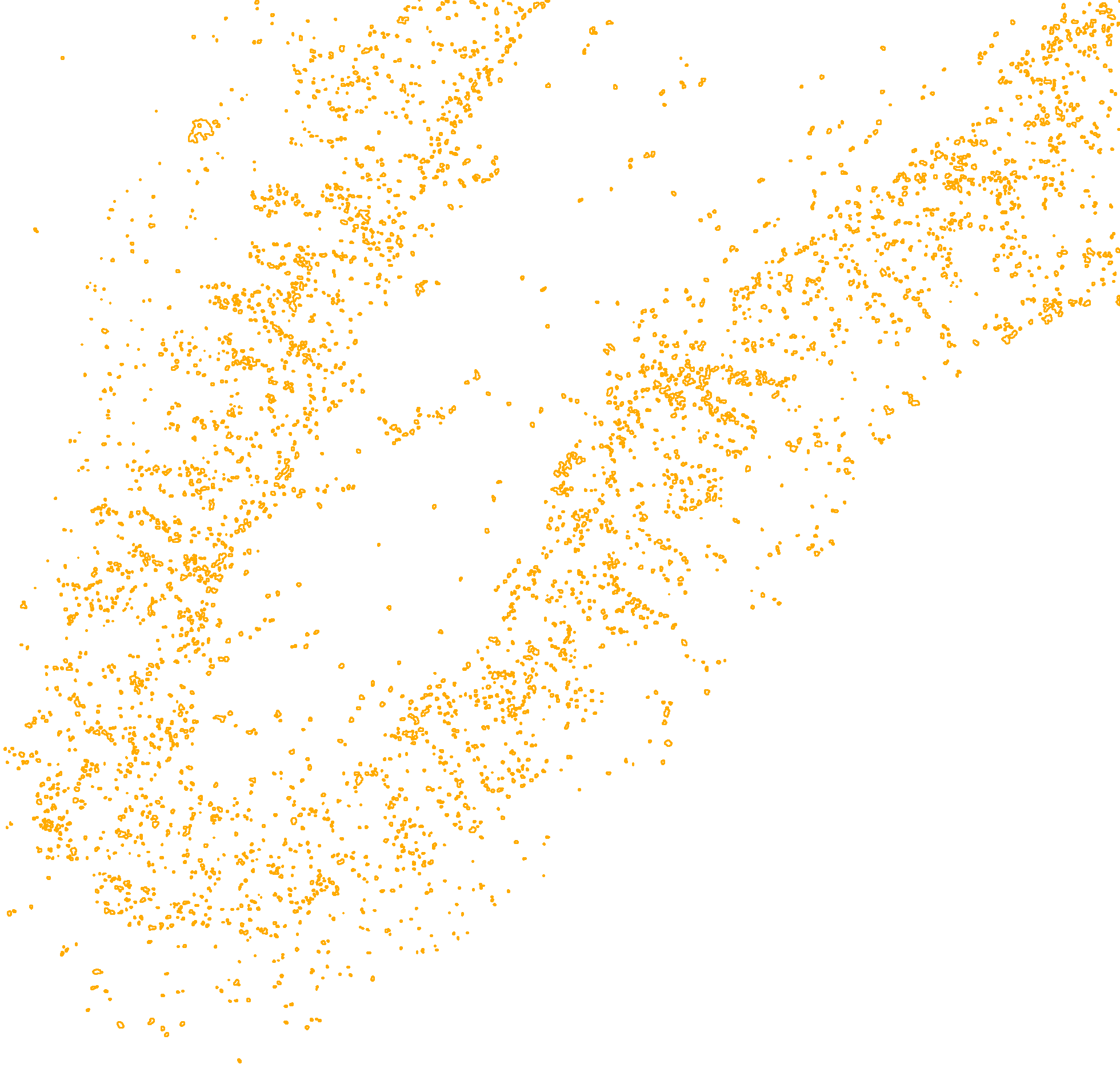
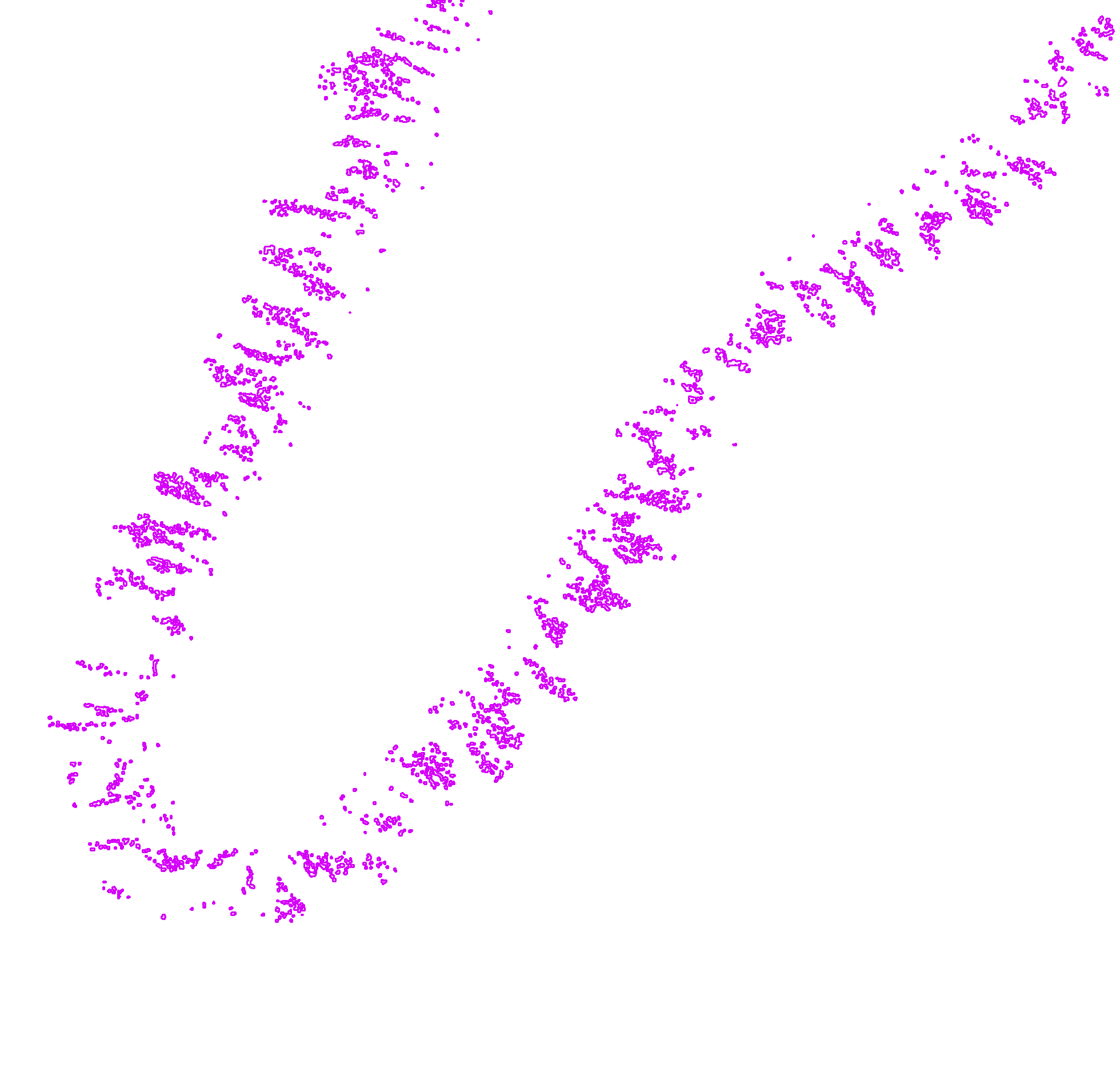
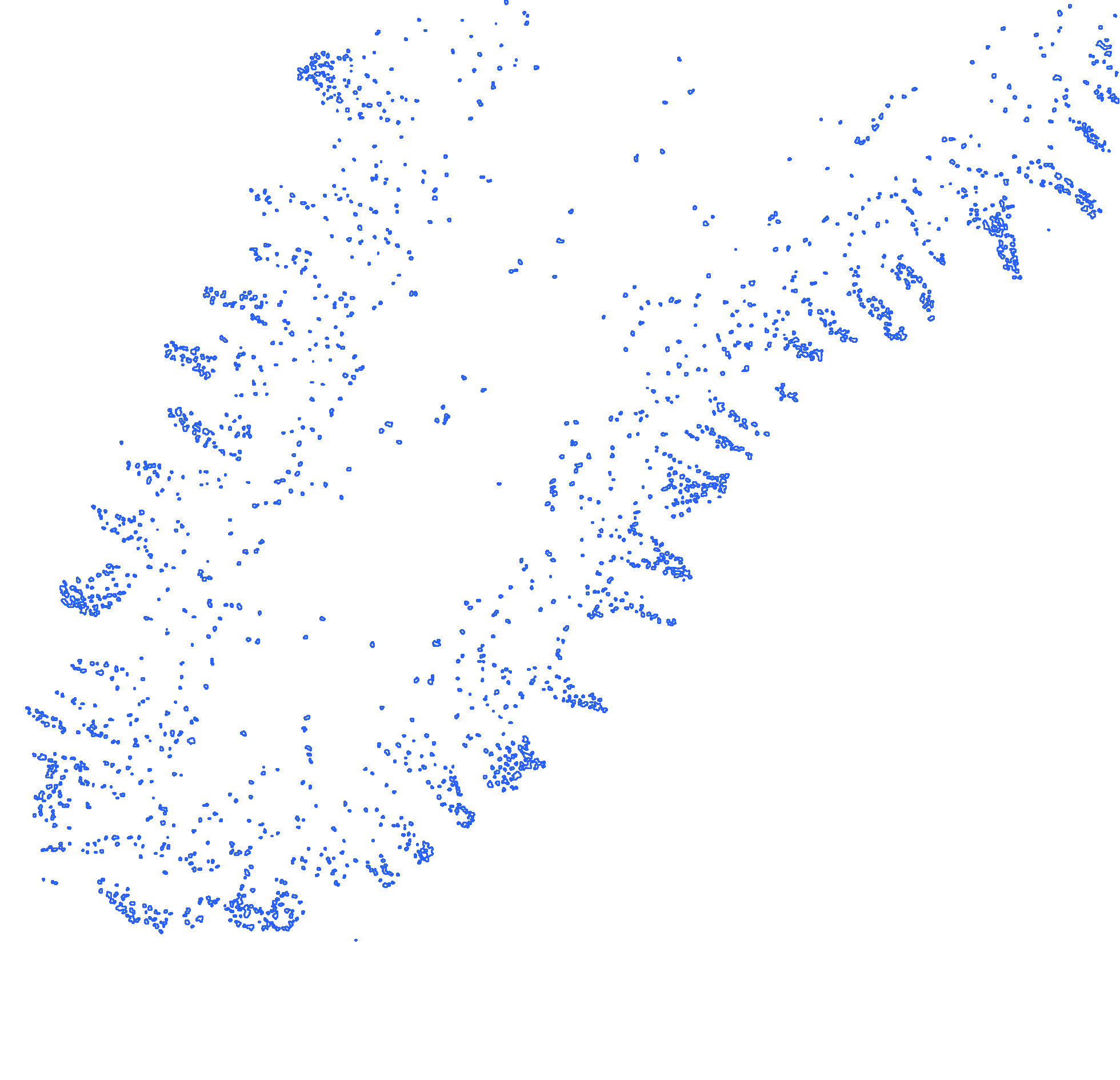
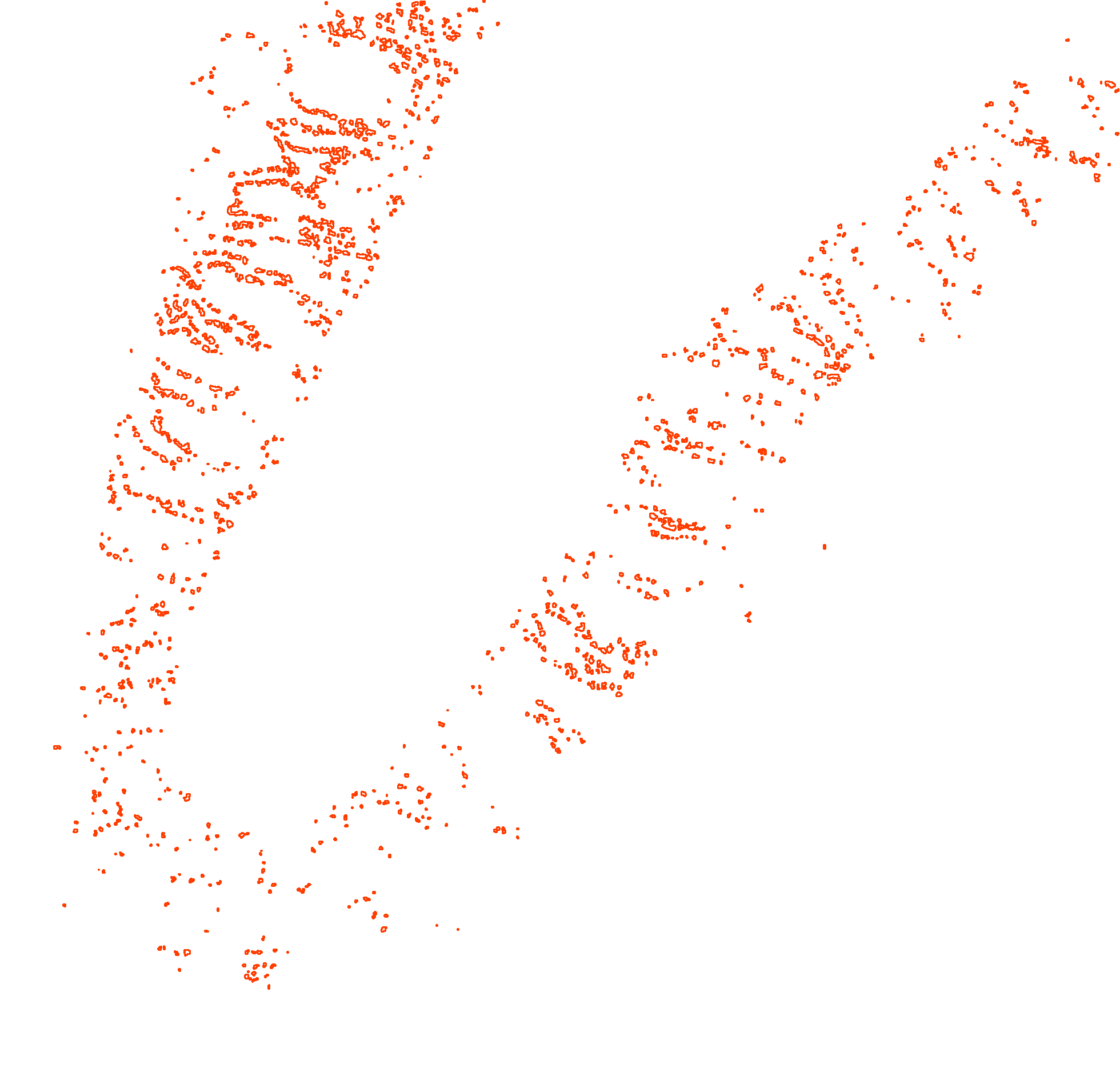
On multiplex slides, the AI finds each cell, names its type from your list of markers, and draws every type as a layer you can check.

A real run · CODEX, 58 markers

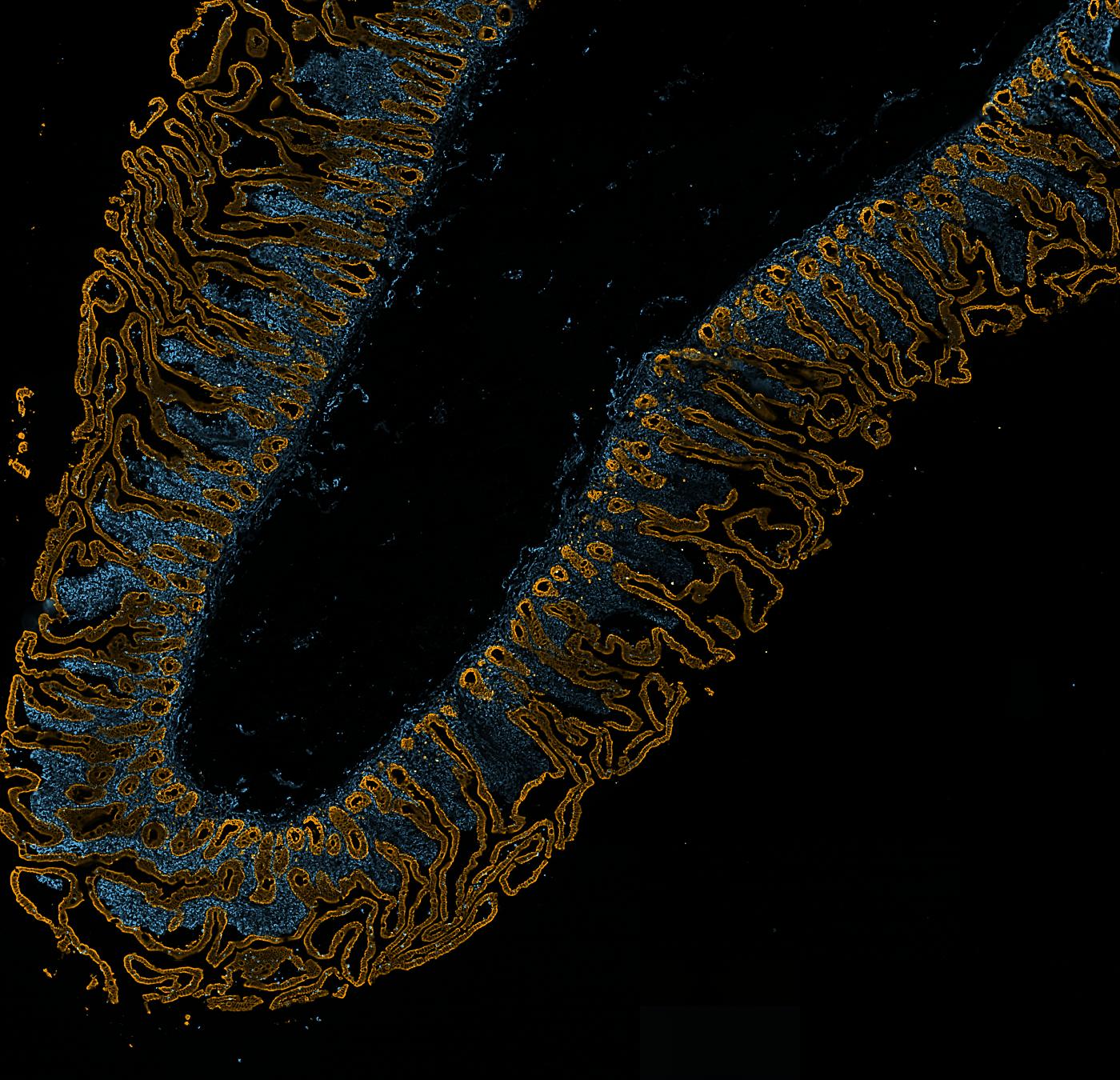
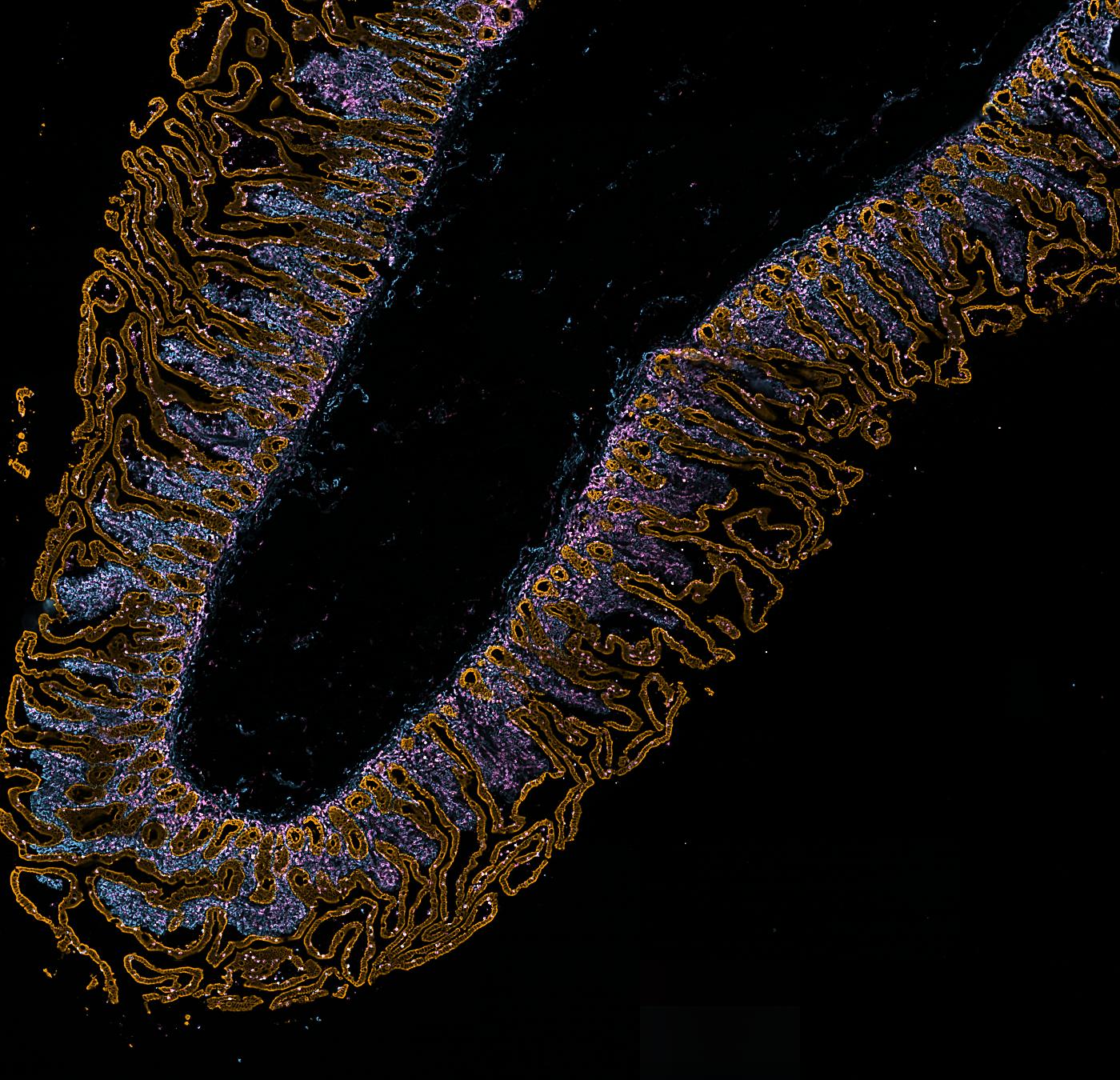
Every cell found and typed, on one section of human small bowel.

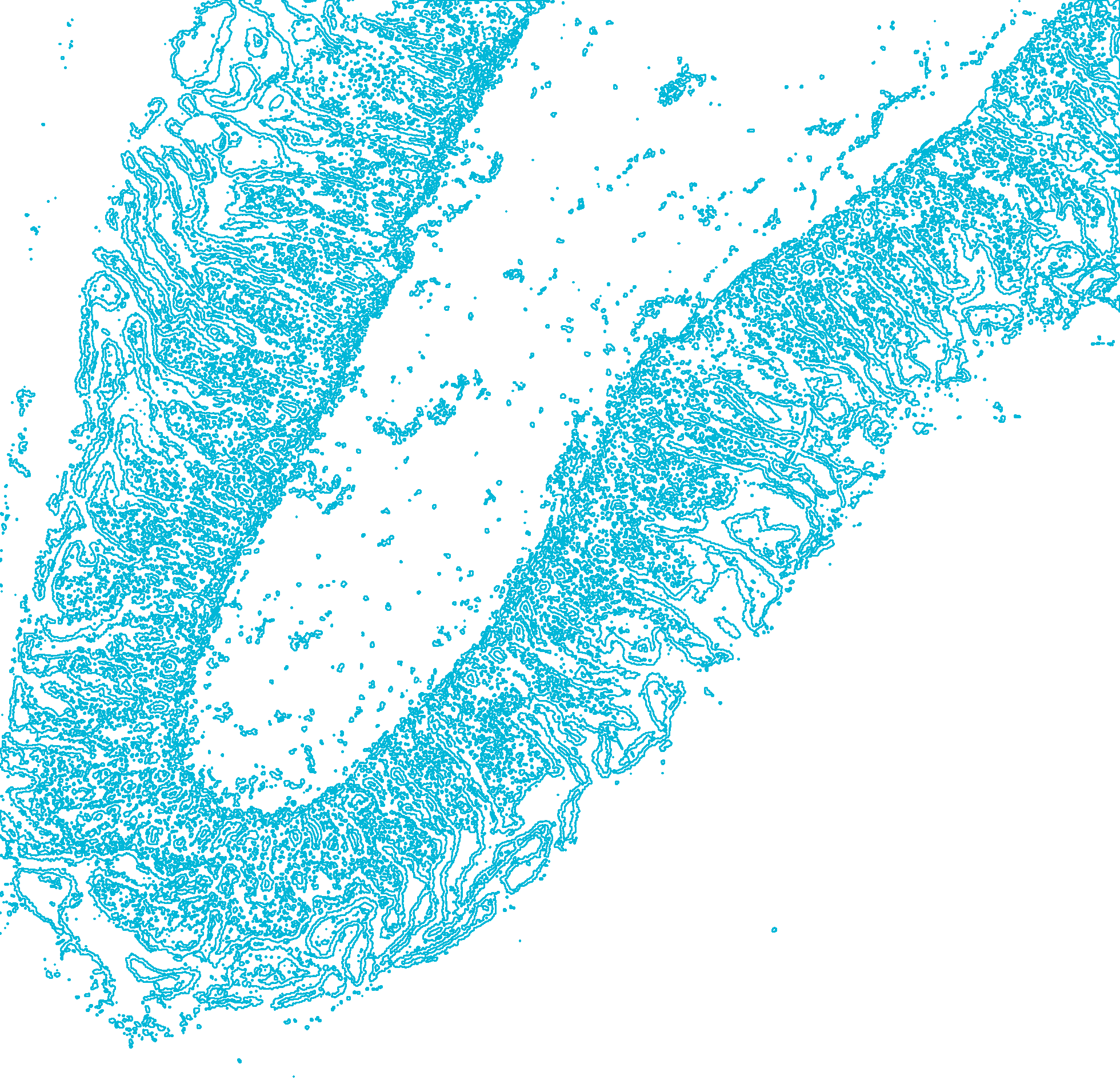
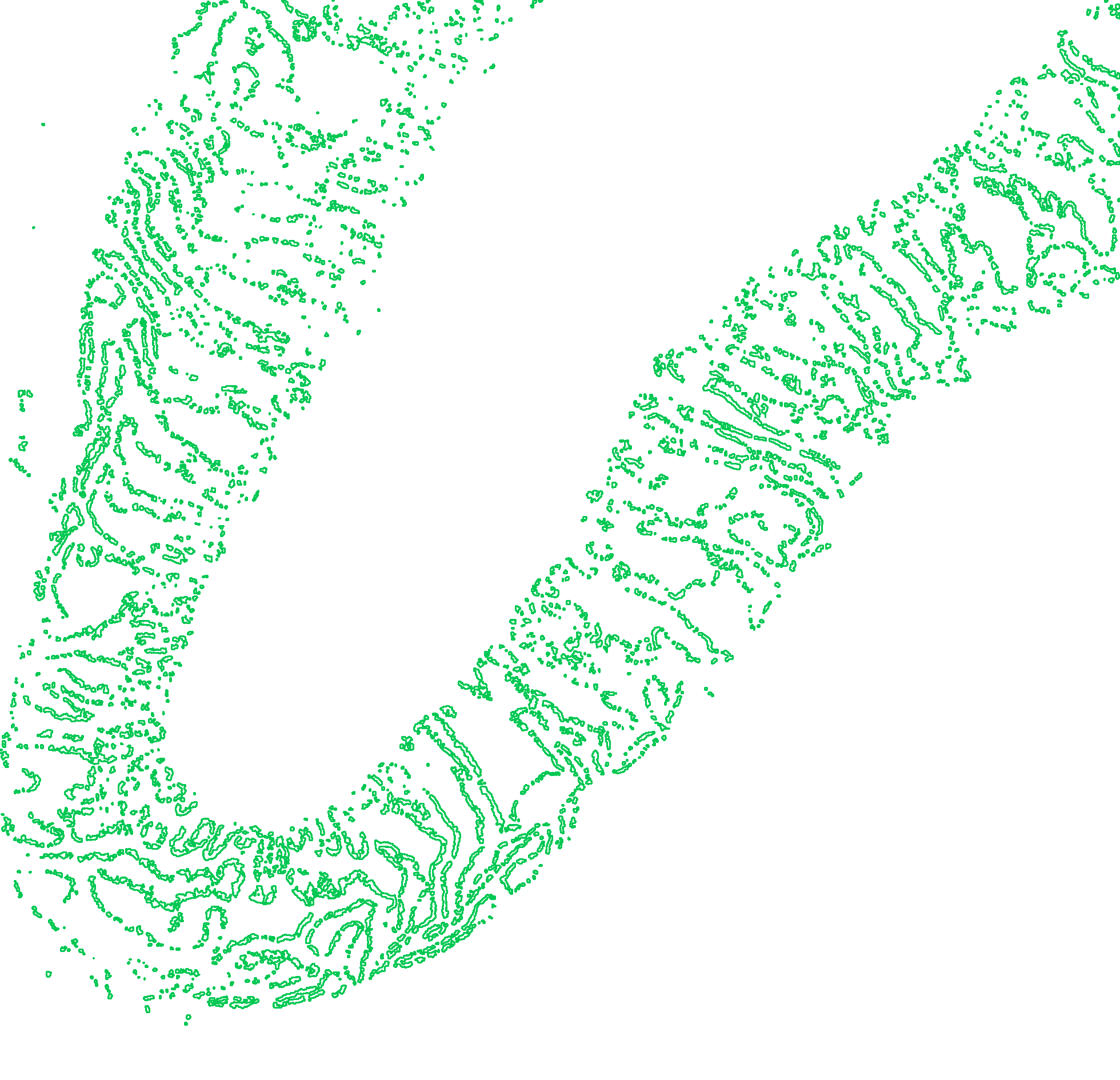
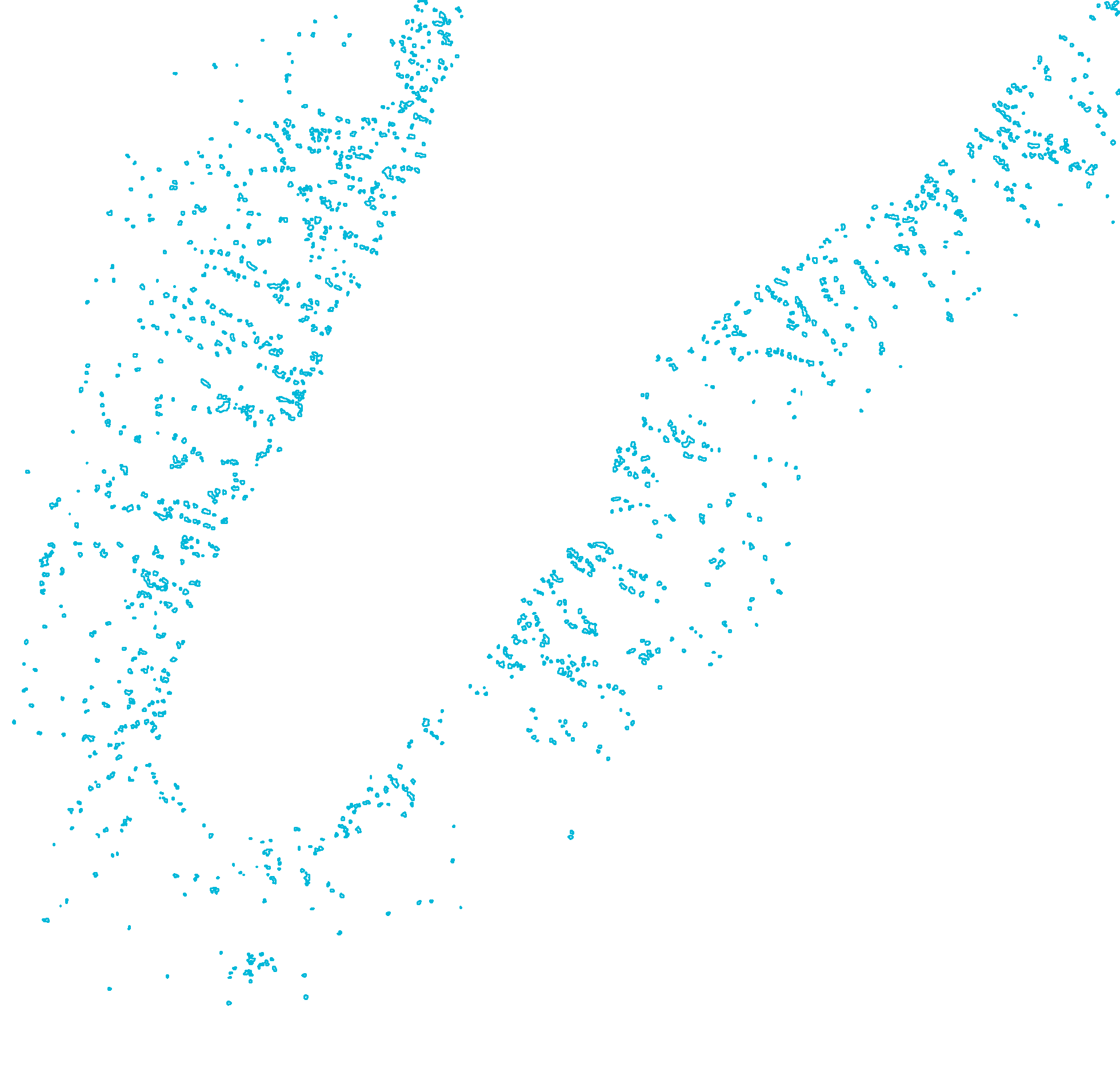
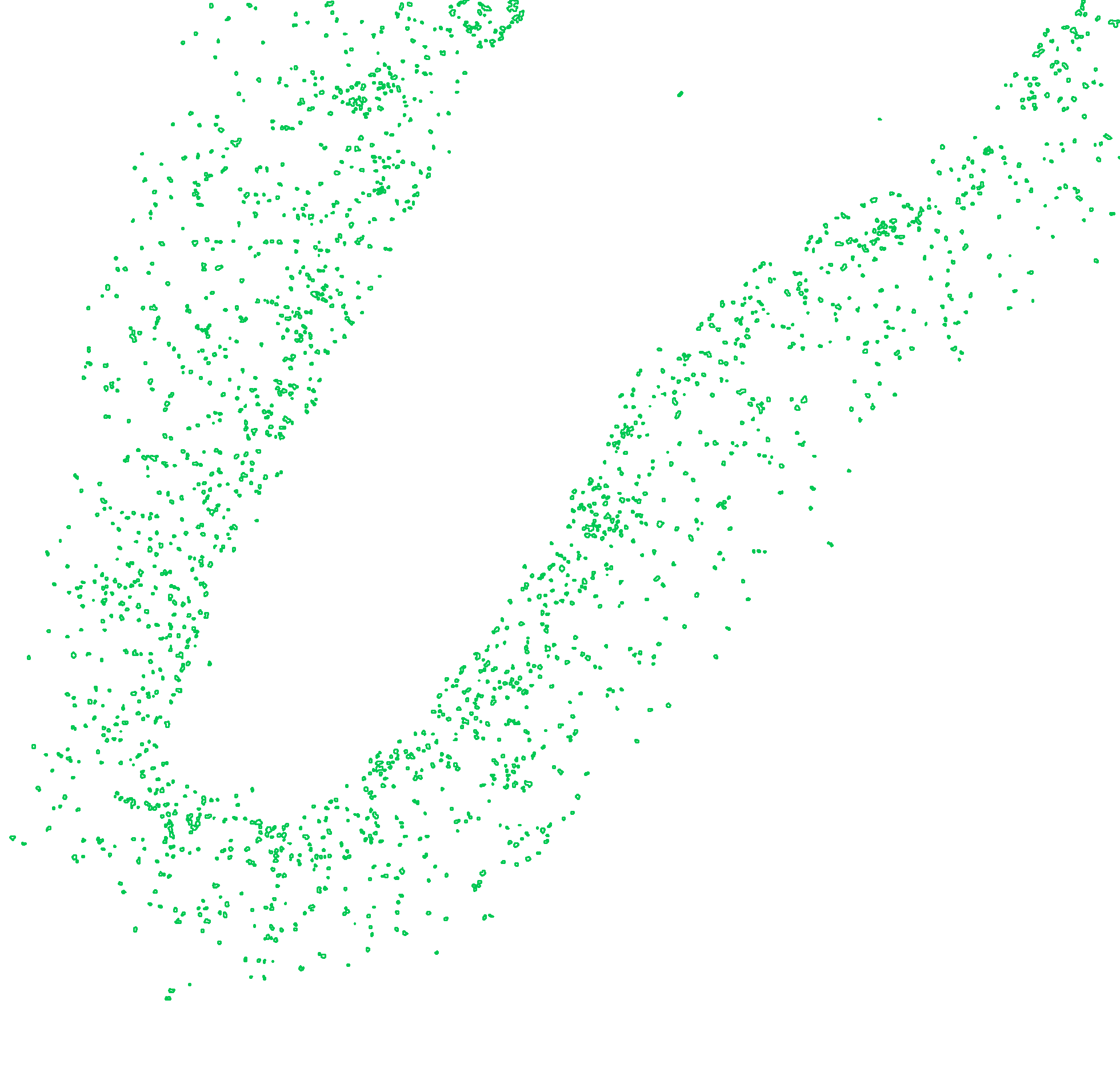
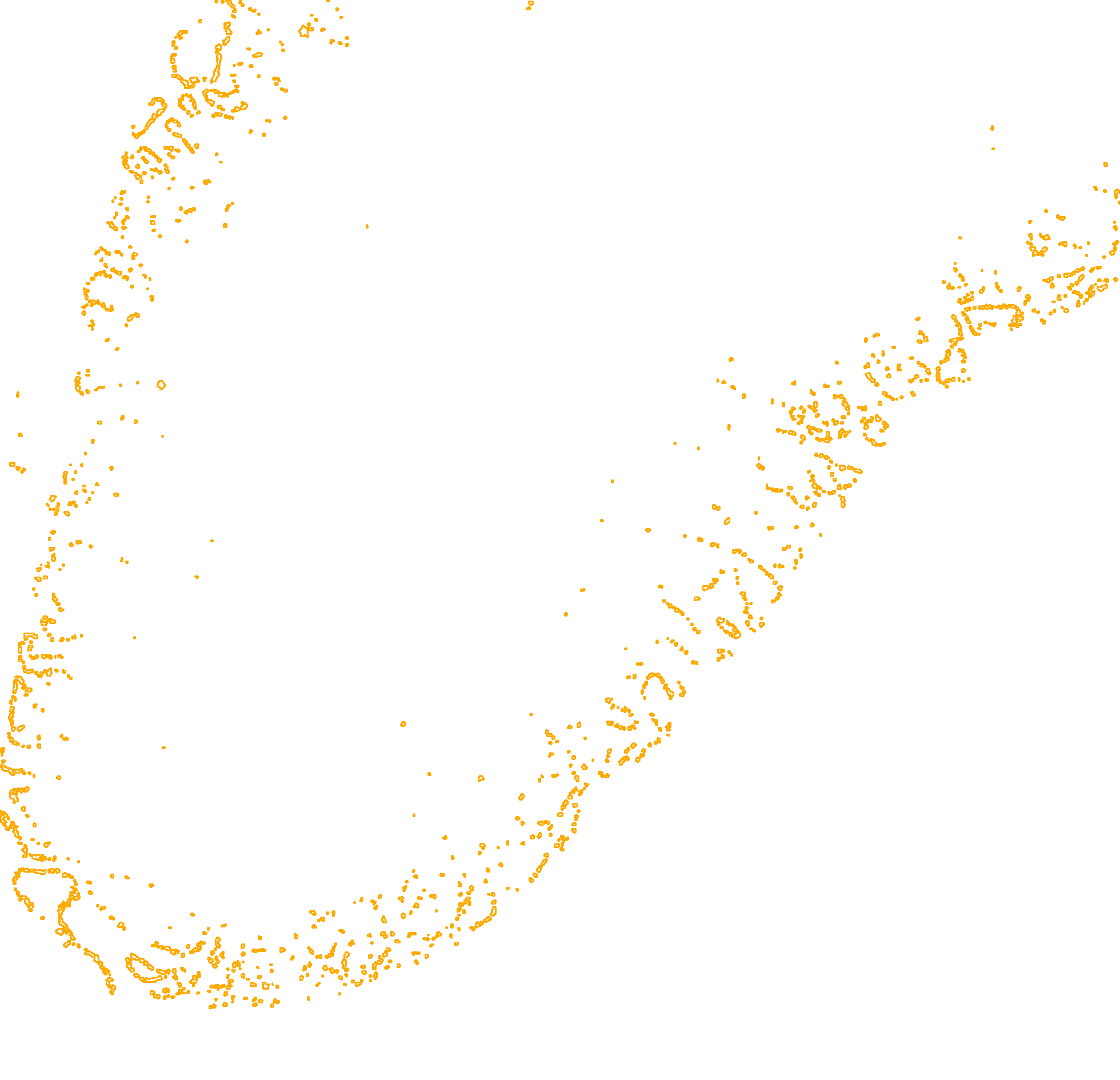
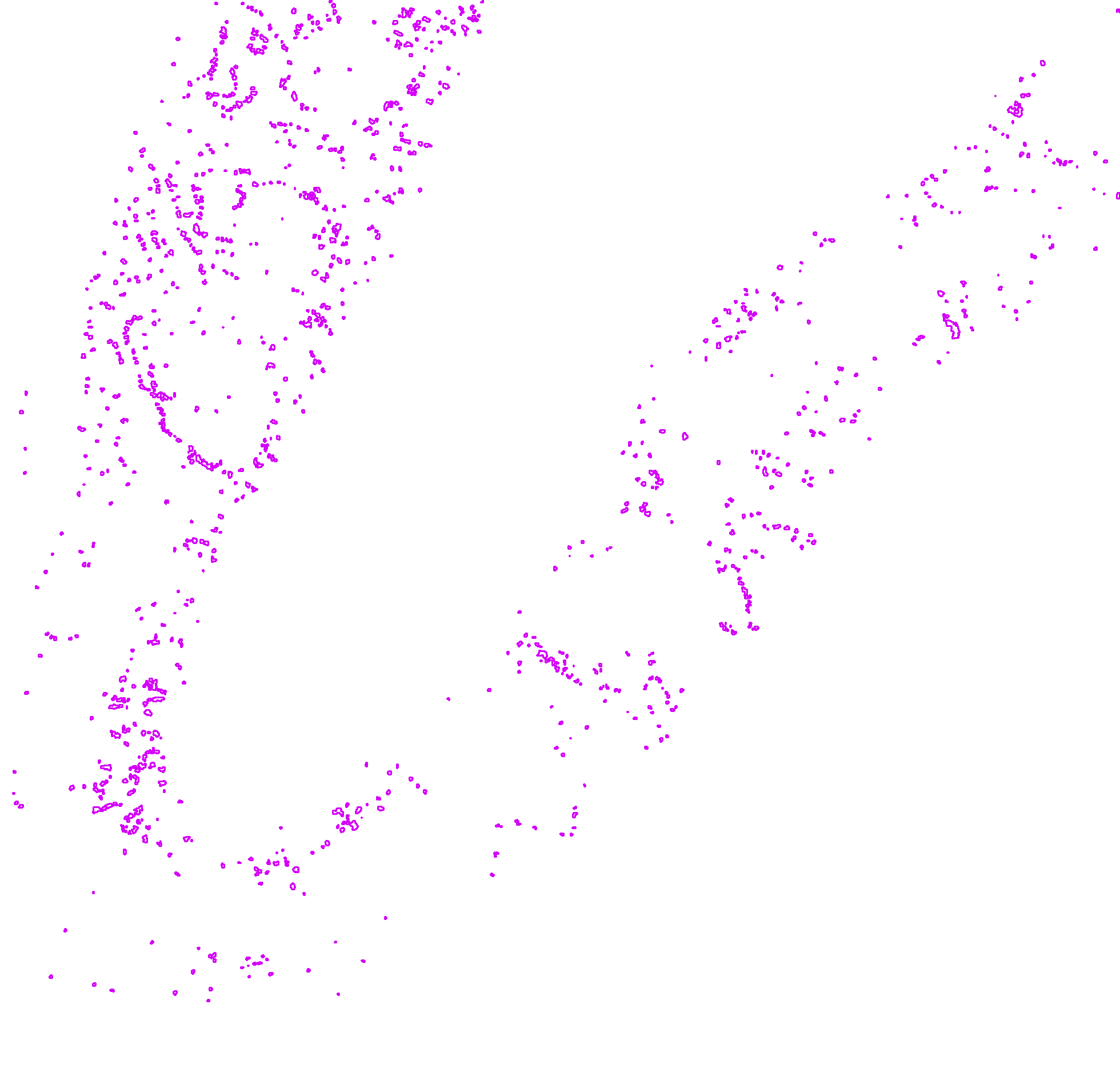
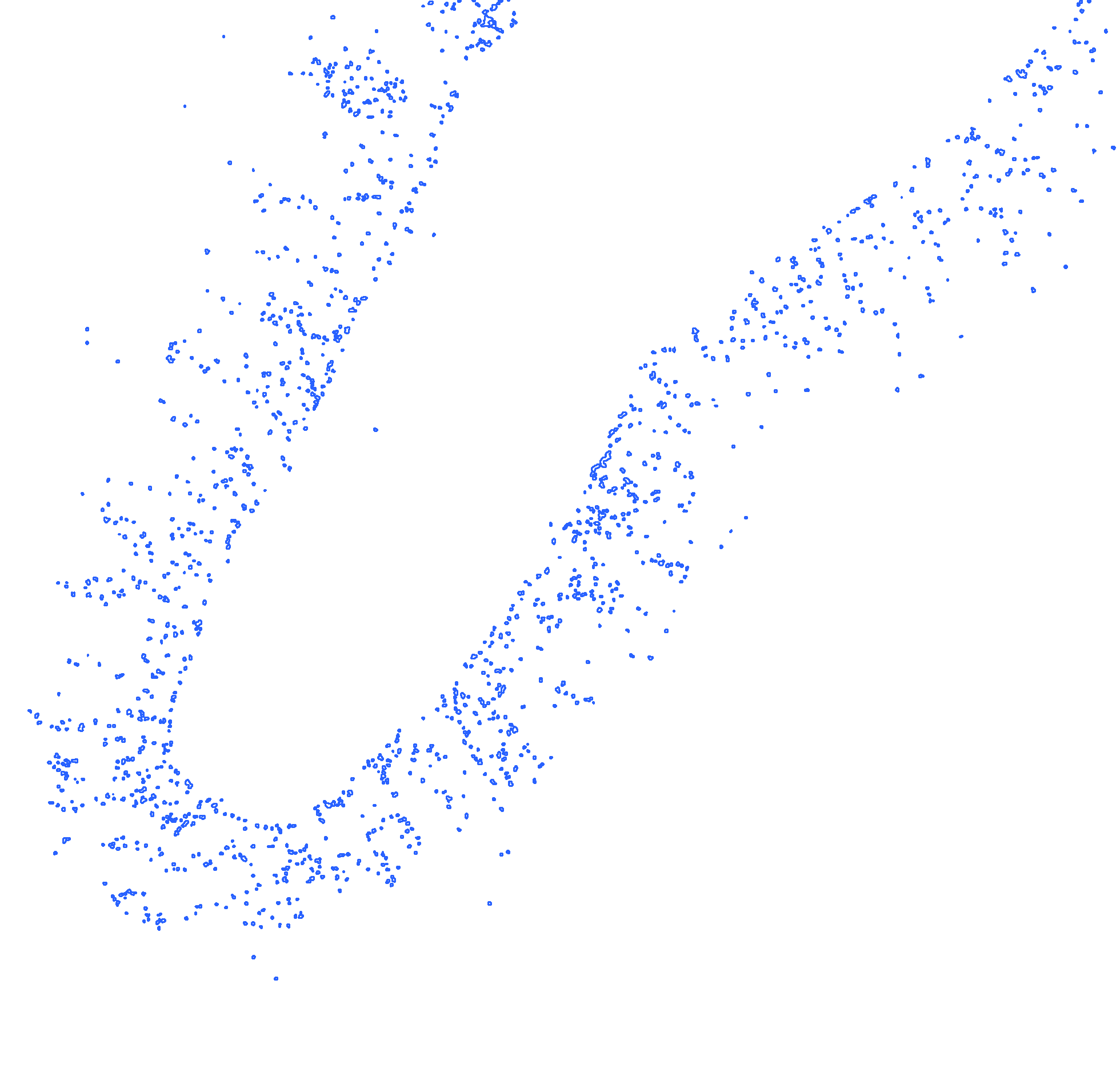
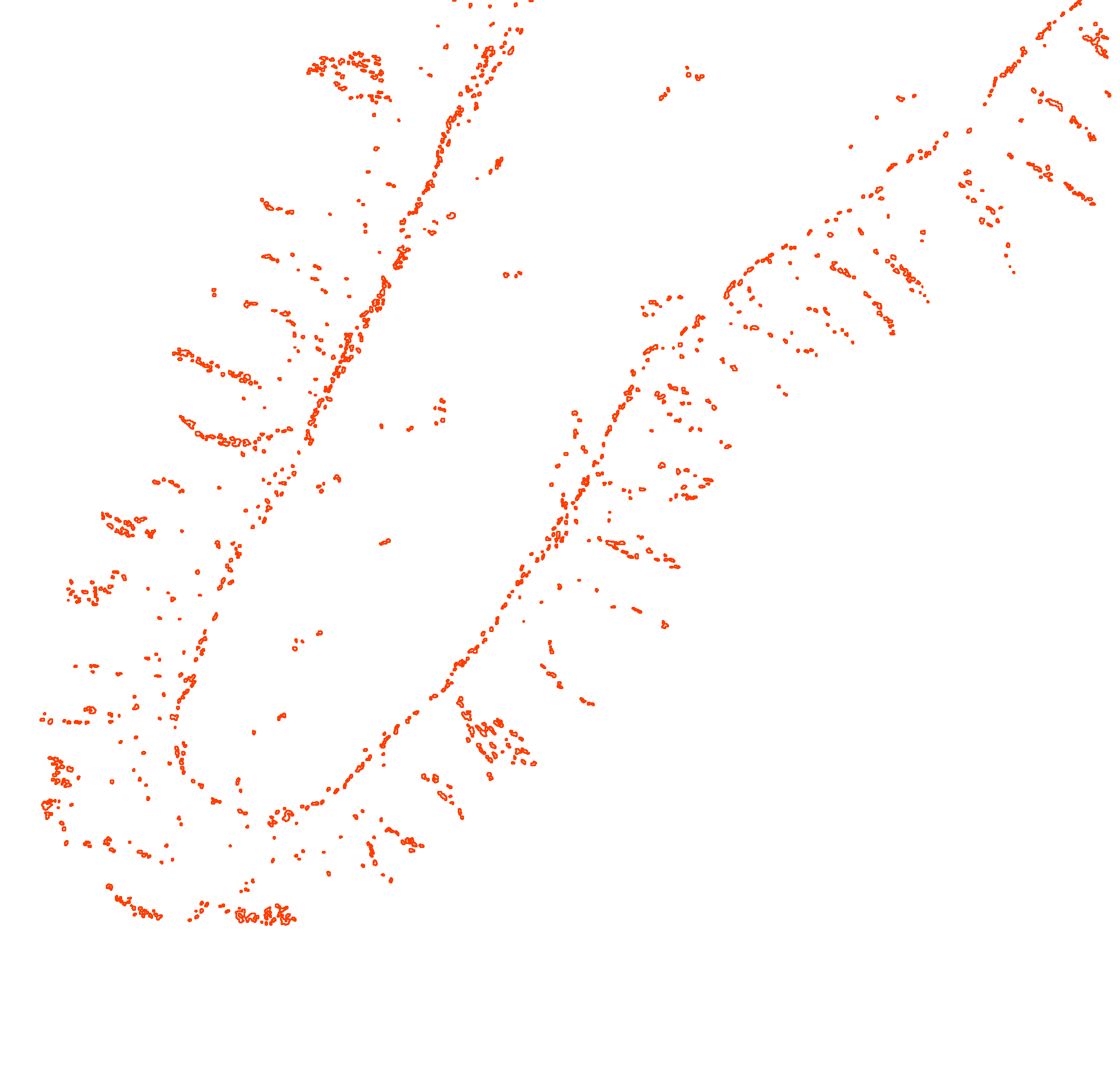
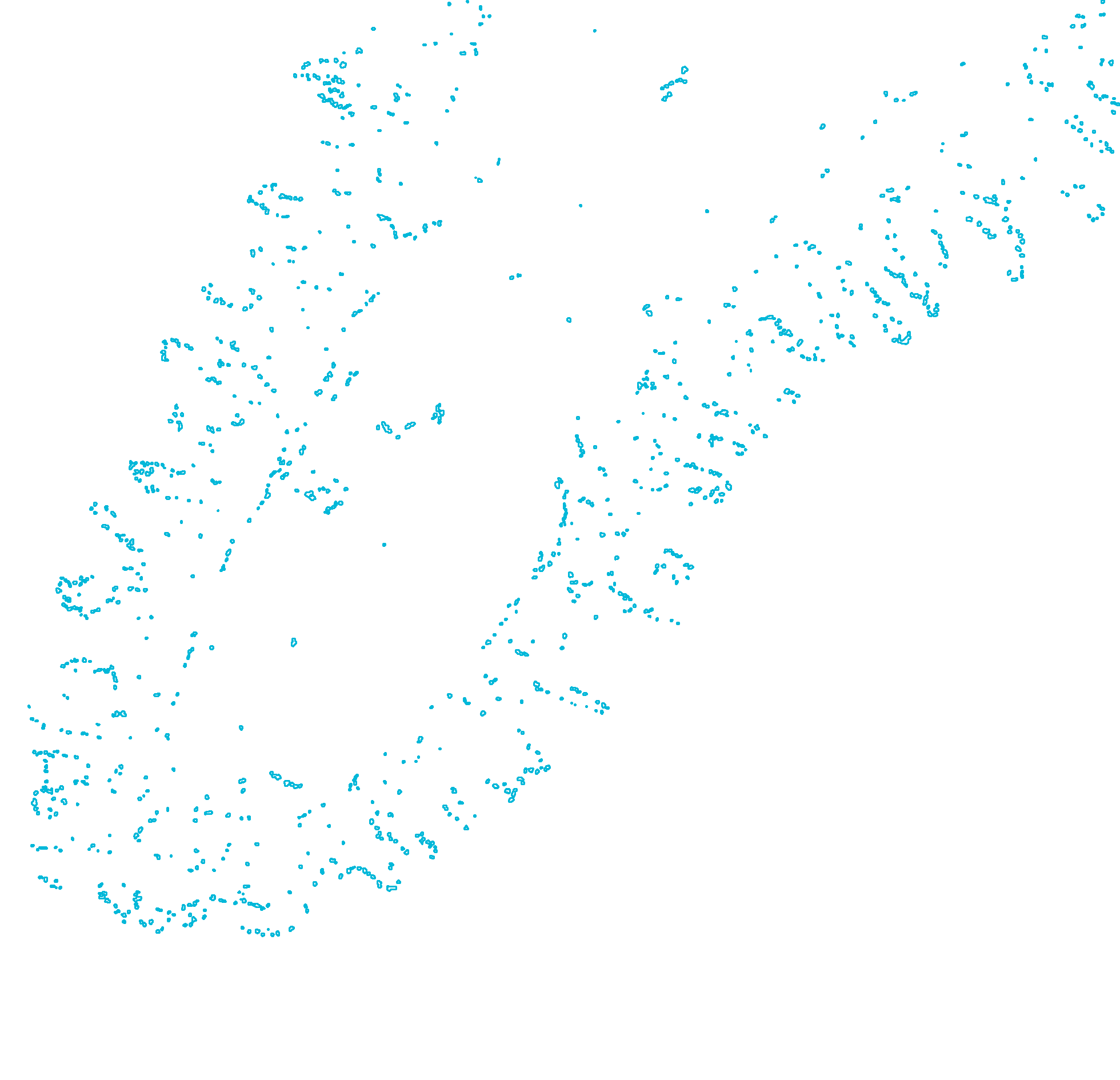
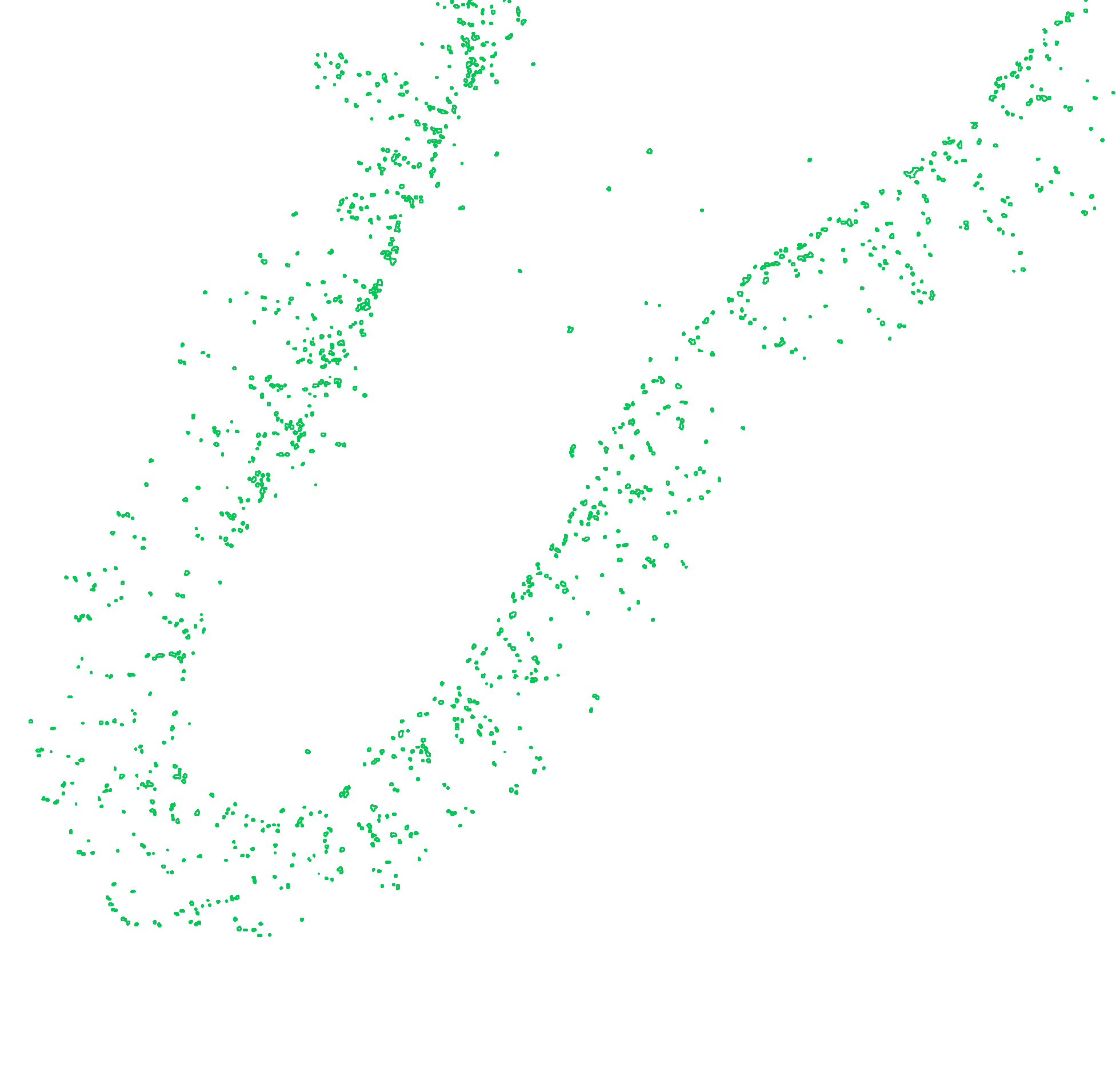
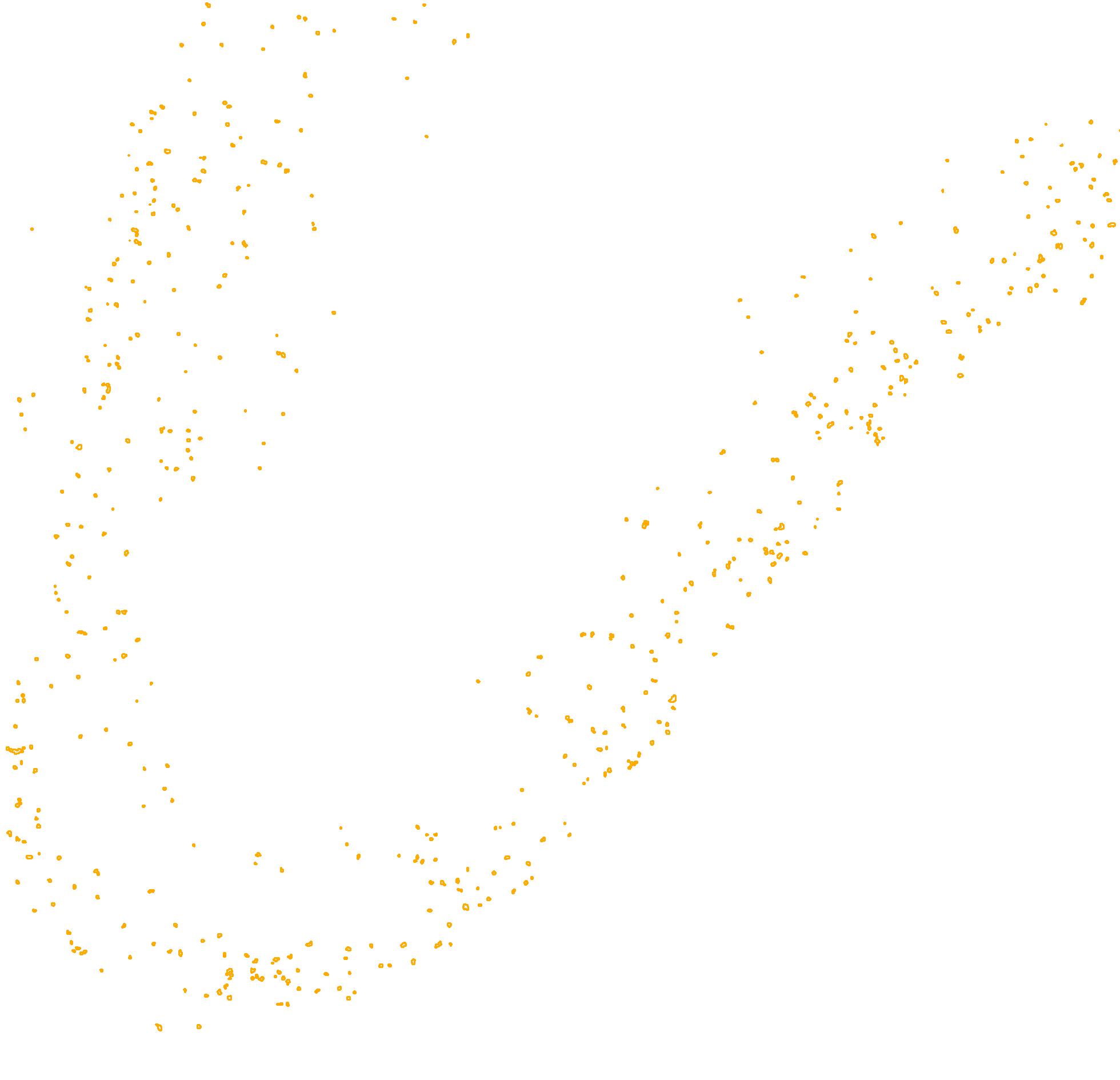
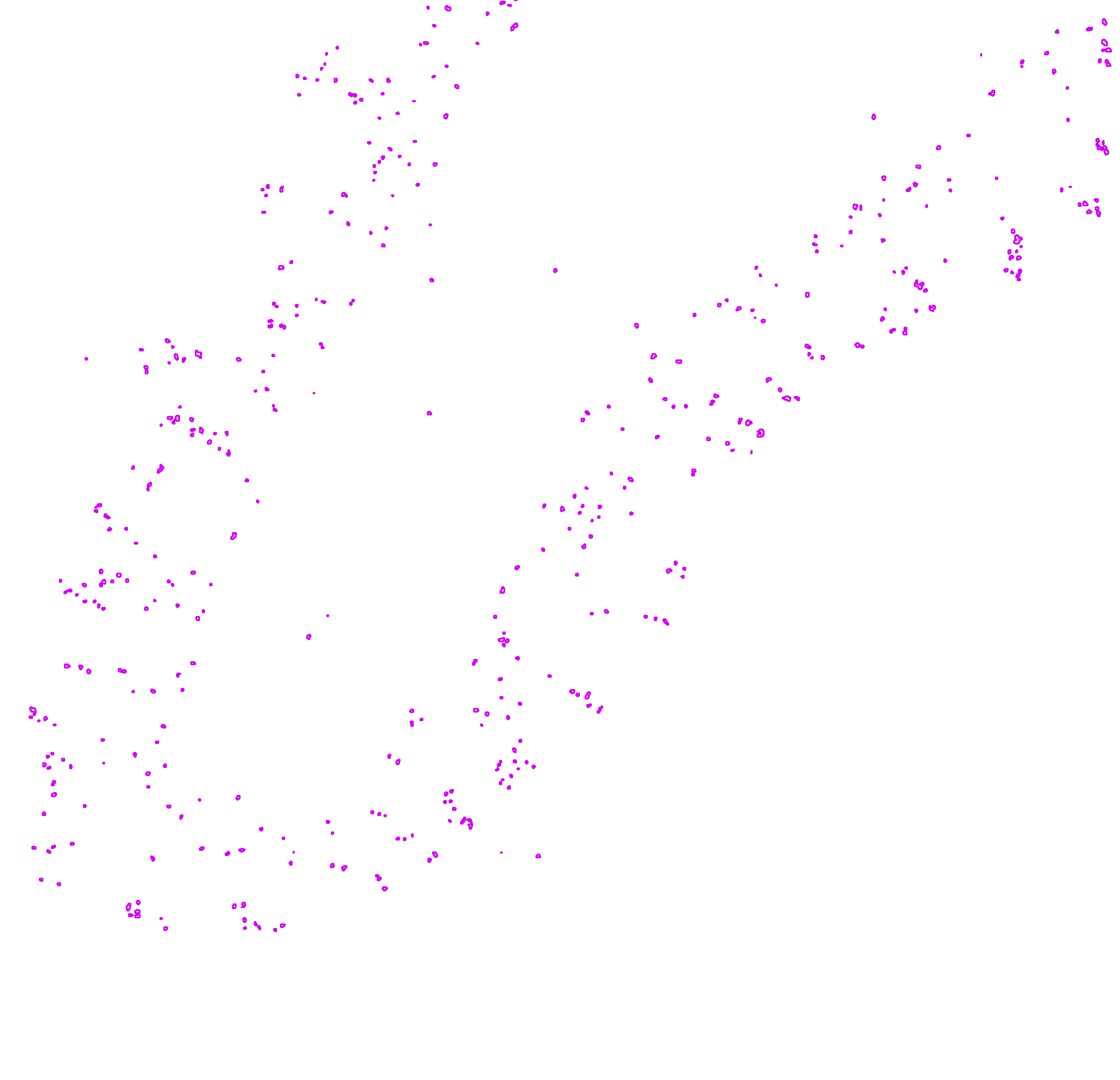
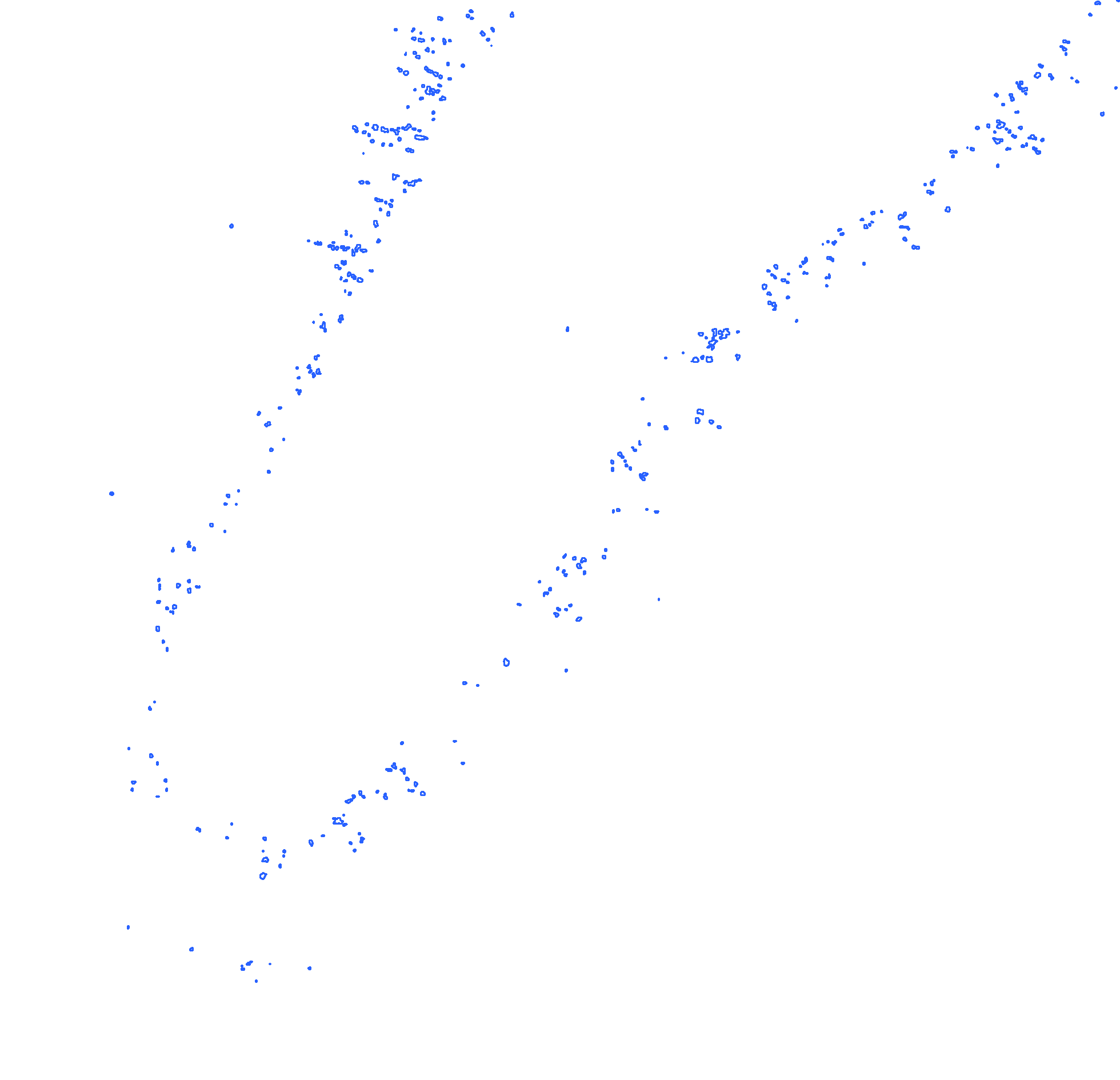
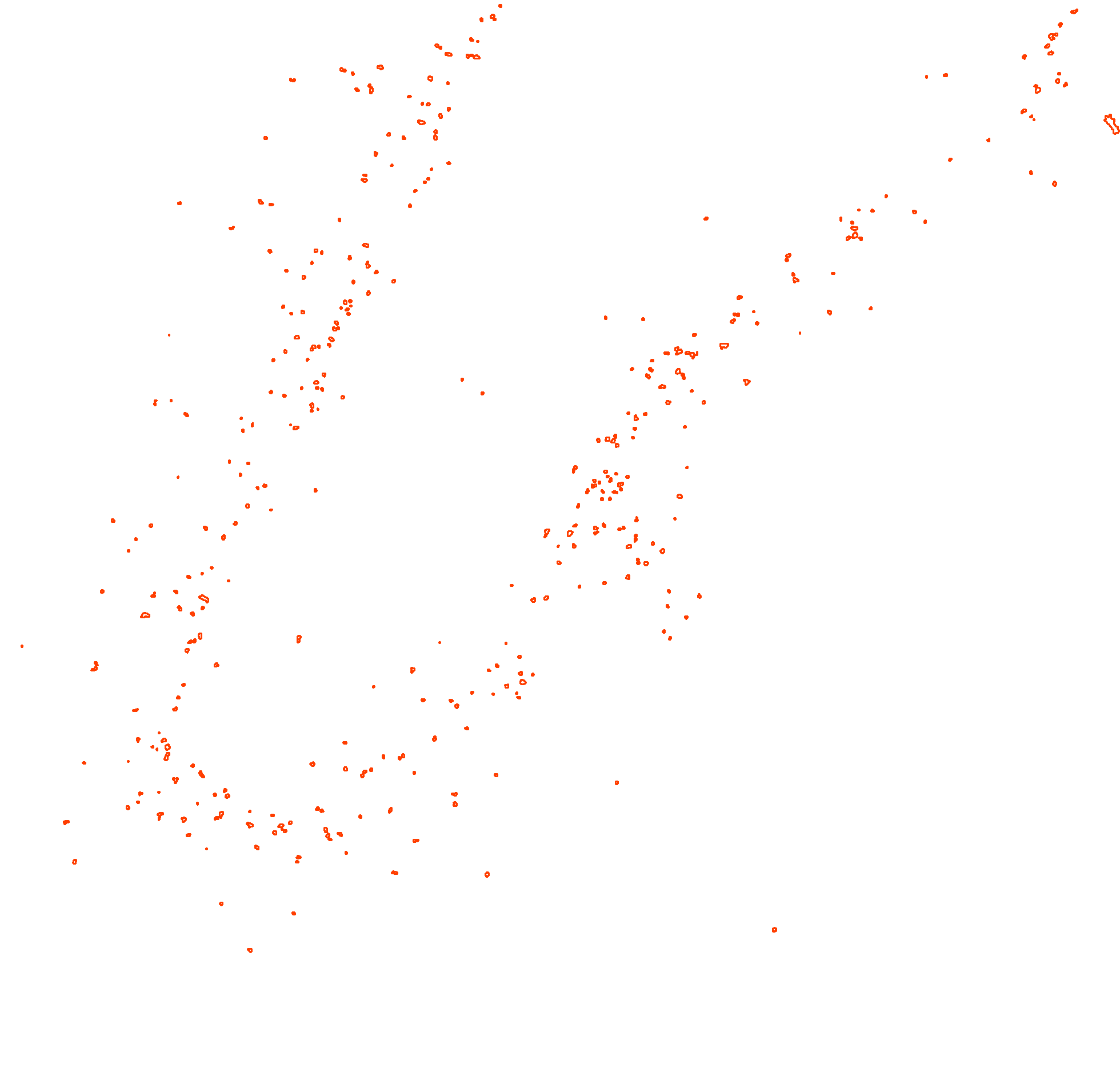
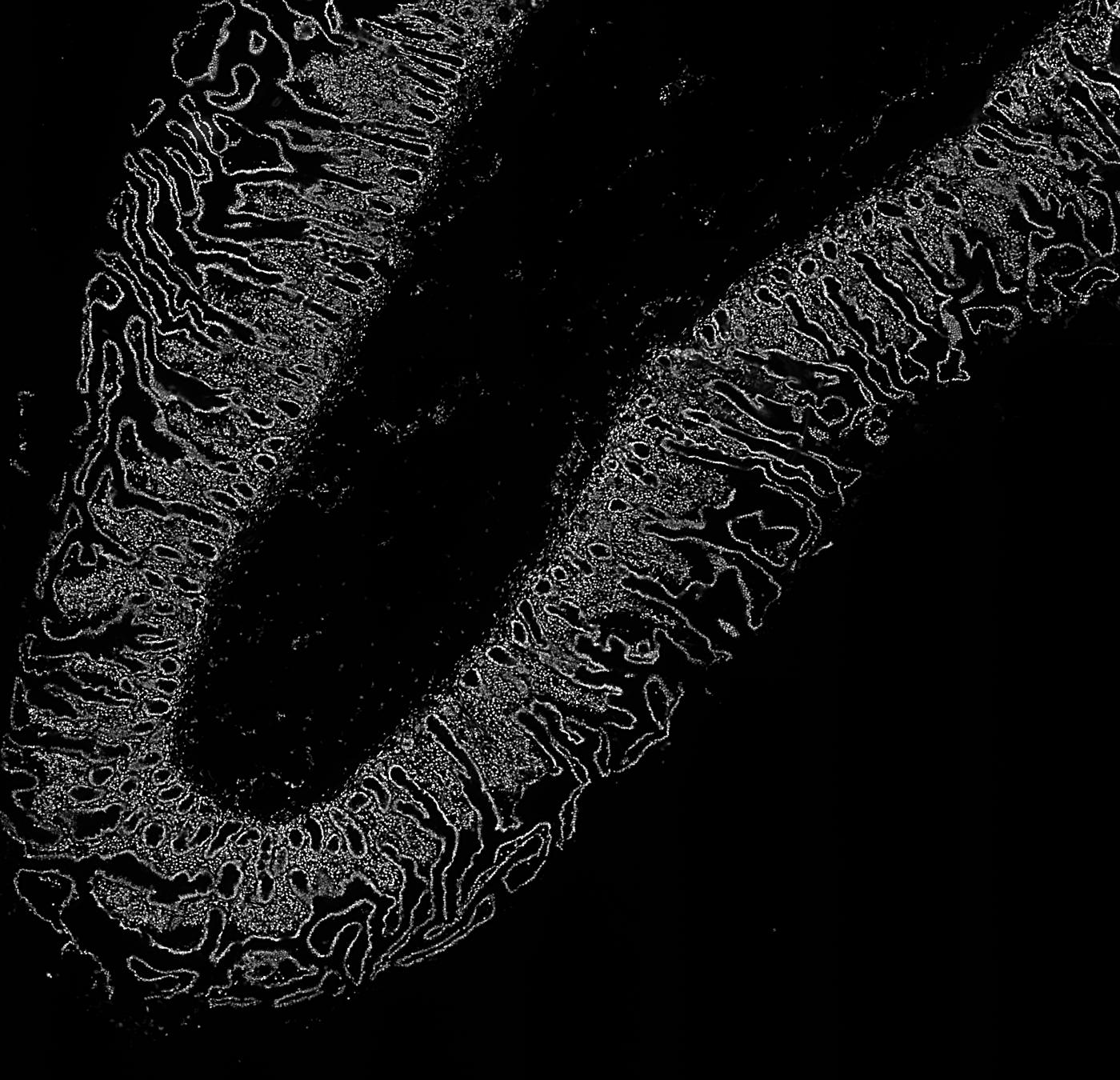
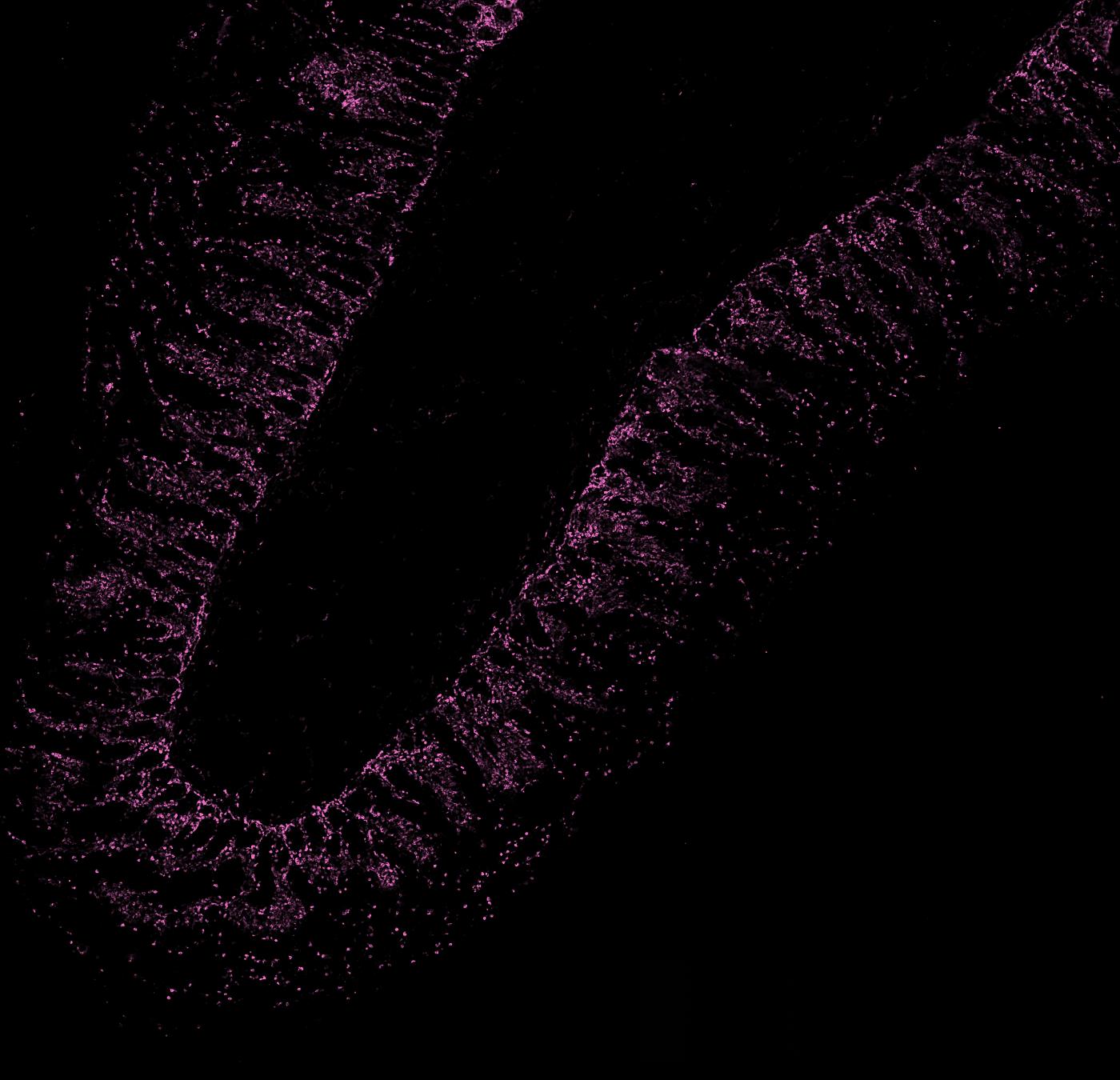
This is the workspace from a real run. The AI found 50,264 cells and named 40,168 of them, in 23 types. It left out the rest and says why. Turn the cell types and markers on and off.
B004_Duodenum.ome.tif

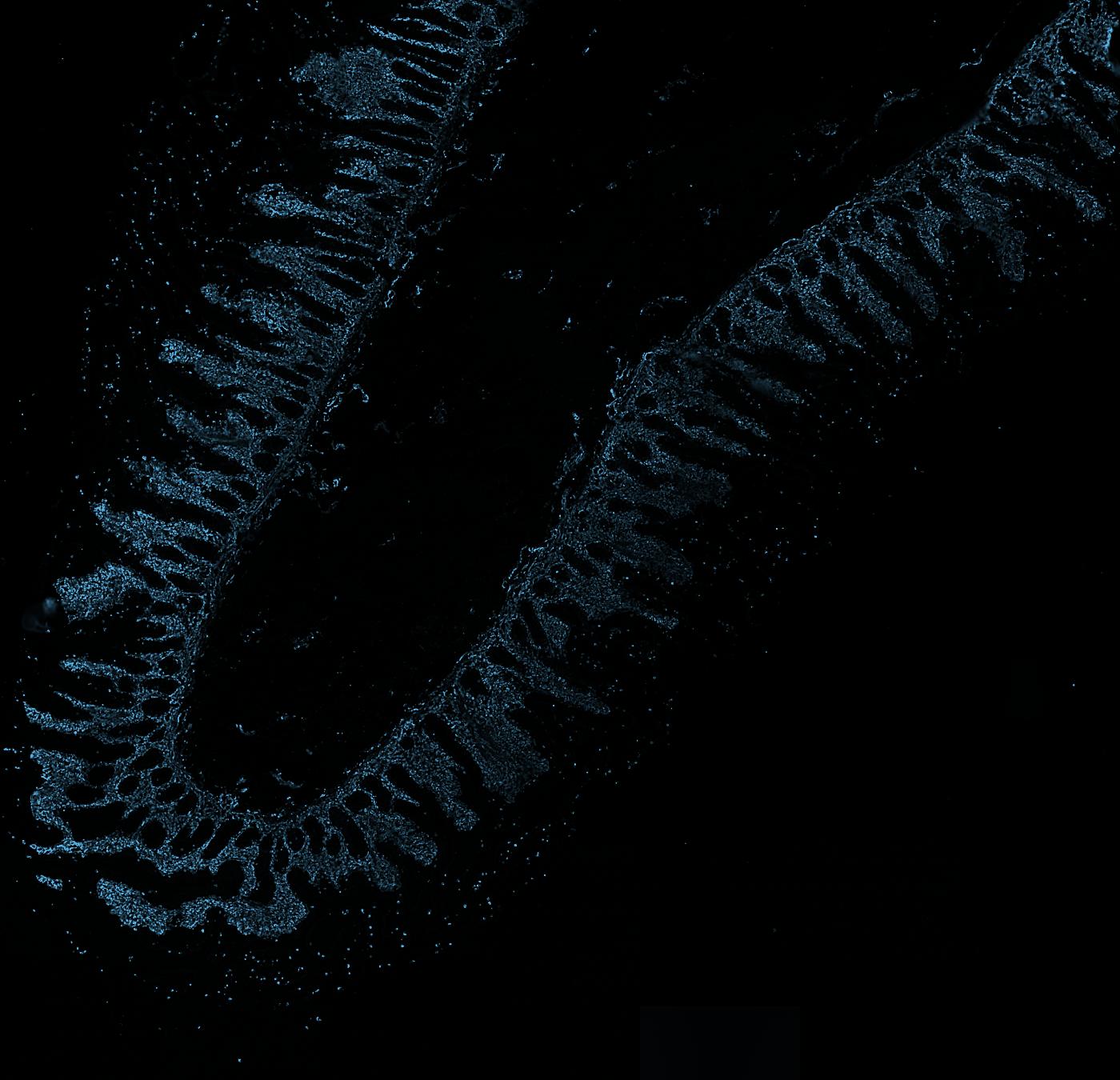
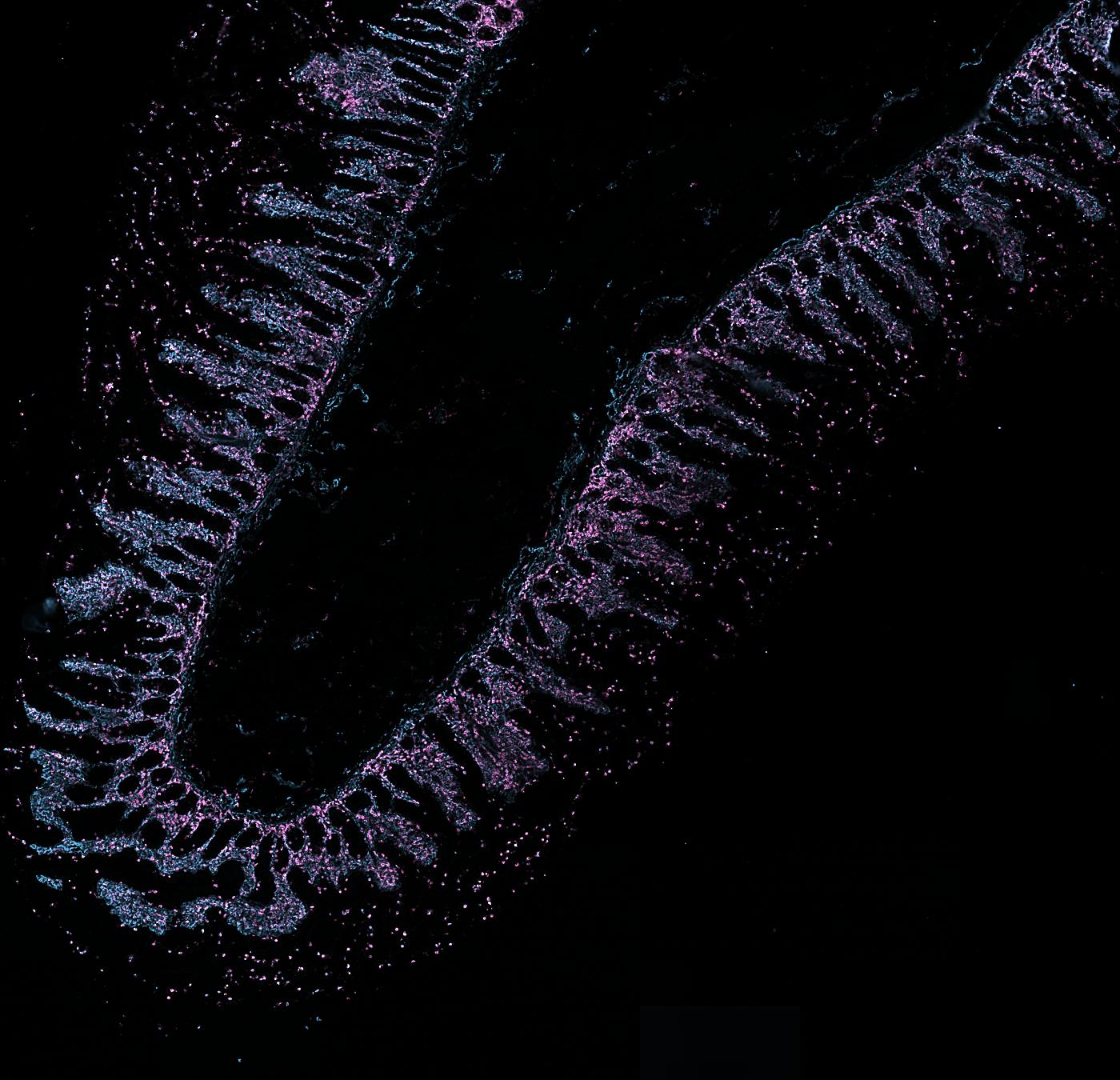
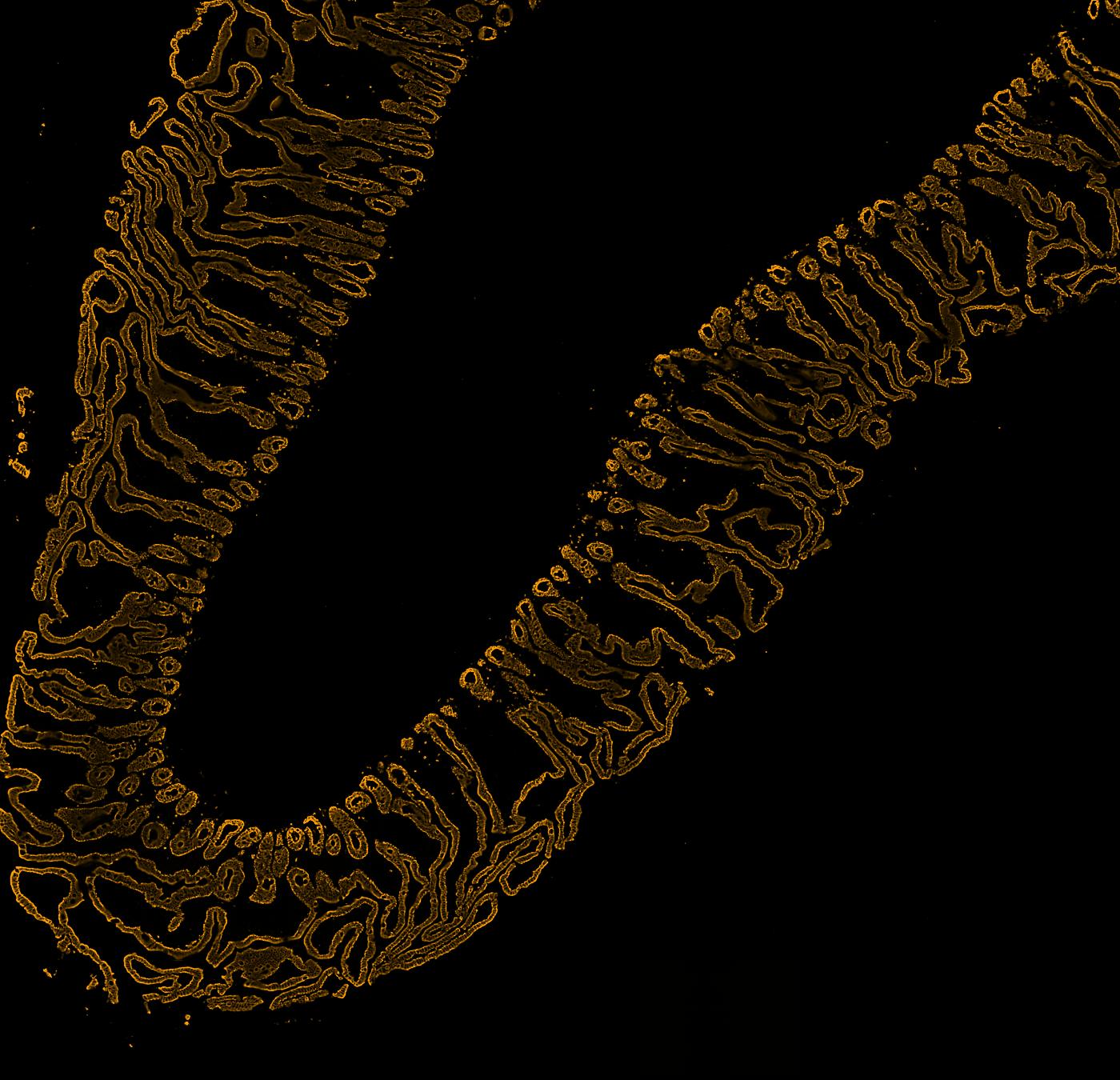
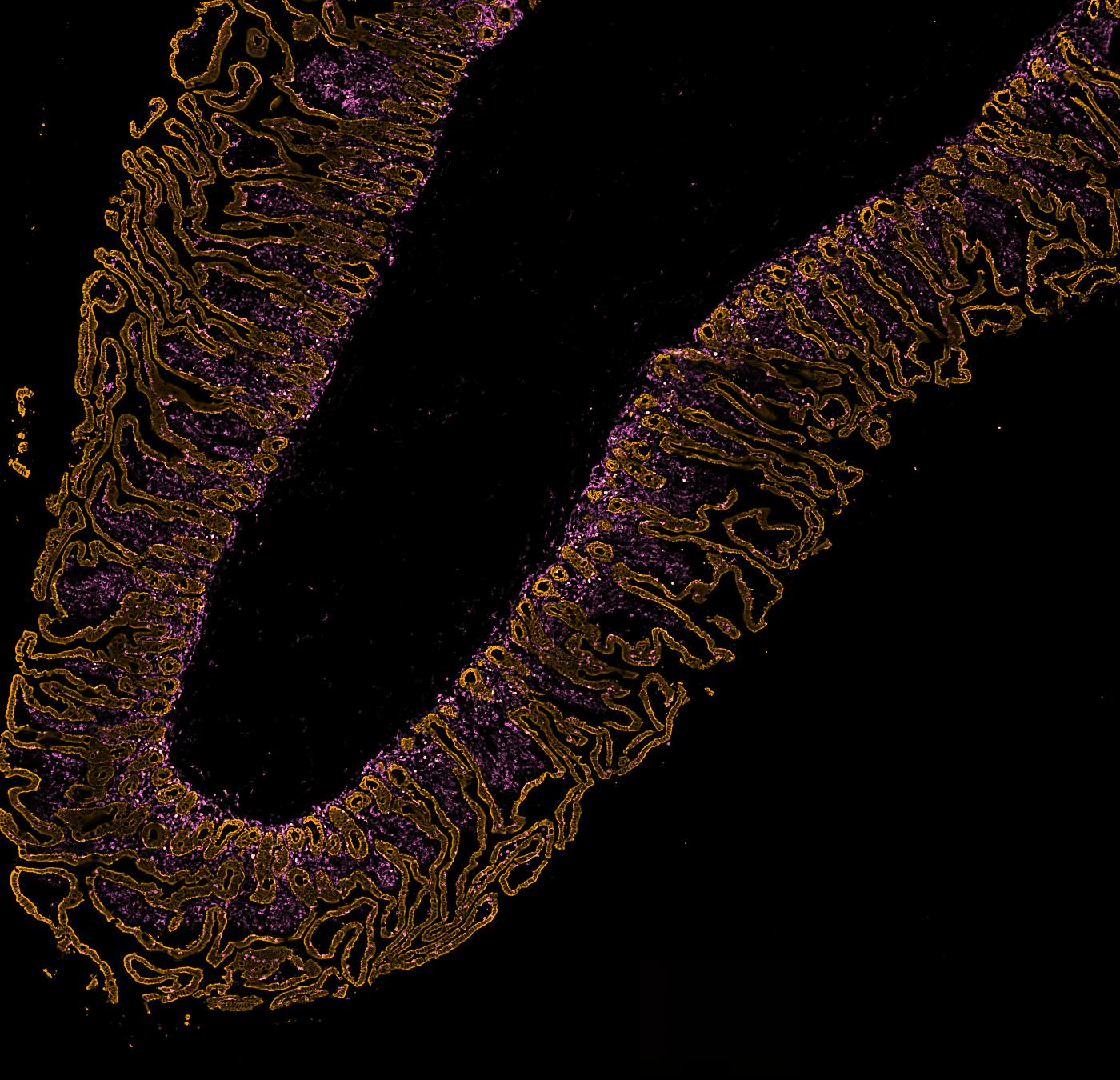
The section in grey, by its nuclear stain, Hoechst.The section with CD45 in colour.The section with Vimentin in colour.The section with Vimentin and CD45 in colour.The section with Cytokeratin in colour.The section with Cytokeratin and CD45 in colour.The section with Cytokeratin and Vimentin in colour.The section with Cytokeratin and Vimentin and CD45 in colour.
You asked

This is CODEX multiplex fluorescence of healthy human duodenum. It has 58 markers; Hoechst is the nuclear stain. Find every cell and name its type from this list. The markers say what each type is known by. They are not cuts. Immune: CD8+ T cell (CD3, CD8), CD4+ T cell (CD3, CD4), B cell (CD19, CD21), plasma cell (CD38, CD138), NK cell (CD56 or NKG2D, no CD3), CD7+ immune cell (CD7, no CD3), neutrophil (CD15, CD66, CD16), M1 macrophage (CD68, no CD163 or CD206), M2 macrophage (CD68 with CD163 or CD206), dendritic cell (CD11c, HLA-DR). Epithelium: enterocyte, goblet cell (MUC2), Paneth cell (aDef5), neuroendocrine cell (CHGA or Synapto), cycling TA cell (Ki67, in the crypts), TA cell (SOX9, in the crypts), MUC1+ enterocyte, CD66+ enterocyte, CD57+ enterocyte. Stroma: endothelial cell (CD31, CD34), lymphatic (Podoplanin), smooth muscle (aSMA), nerve (Synapto or PGP95, outside the epithelium), ICC (CD117), stroma (Vimentin, CD90). Name broad kinds first, then the fine kinds inside each. Name debris as debris. Run the blind check and report its agreement. Report the count and percent of each type, and measure the cells layer so the table of every cell is kept.

For you to check
Blind-check agreement only 70%; enterocyte and TA groups blurry

46 of 66 random cells agreed on the first check. The largest disagreement was among weak-marker epithelial cells (enterocyte vs TA cell) and stroma; the check was not repeated after the fixes. Treat enterocyte/TA/stroma counts as approximate.

About a fifth of cells left out; dim-Hoechst cells have no type

9,261 cells were too dim in Hoechst for a nucleus and 374 were bright for most markers; these (the 'left out' group) are unnamed and uncounted. Debris groups (about 460 cells) include all-marker-bright objects that may be B-cell follicle cells.

No M1 macrophage, and 'M2' covers all CD68/CD163/CD206 cells

No group had CD68 without CD163/CD206, so no M1 macrophage was named. Some HLA-DR+CD206+ cells may be dendritic cells. Percent figures are shares of cell area, not of cell number.

Human duodenum, donor B004, CODEX with 58 markers. Slide: Hickey et al., Nature 2023, CC0.

What you can ask for

Ask for these, or anything else you can see.

In plain words. If it can be seen on the sample, the AI can build a method to measure it.

  • Every cell named from your list of types
  • Counts and percents of each type
  • Each type drawn as a layer over the slide
  • A blind check of random cells, with its agreement
  • A table of every cell, with each marker's value

How it works

You upload, and we run the study.

  1. 01

    Upload your slides or flow files

    Any stain or panel. One sample is enough to start.

  2. 02

    Say what to measure

    In plain words, the way you would ask a colleague.

  3. 03

    We run the study

    The AI builds the method on one sample. A person checks it and locks it, and code measures every sample with it.

  4. 04

    Get the report

    Numbers, outlines, gates and flags for every sample. You pay for each slide or flow file.

Why VSQRD

  • Every reported number measured by code, never by eye
  • First-hand research and wet-lab perspective
  • Direct founder involvement from discovery to rollout

Start with one study you have already reported.

Upload its samples and tell us what you measured. We run it and show you where our numbers and yours differ.

Book a Discovery Session