Product · By sample
Find every cell and name it by the markers it carries.
From single stains to CODEX panels with 58 markers. You list the cell types and their markers, and every cell gets one.
A real run · CODEX, 58 markers
Every cell found and typed, on one section of human small bowel.
This is the workspace from a real run. The AI found 50,264 cells and named 40,168 of them, in 23 types. It left out the rest and says why. Turn the cell types and markers on and off.
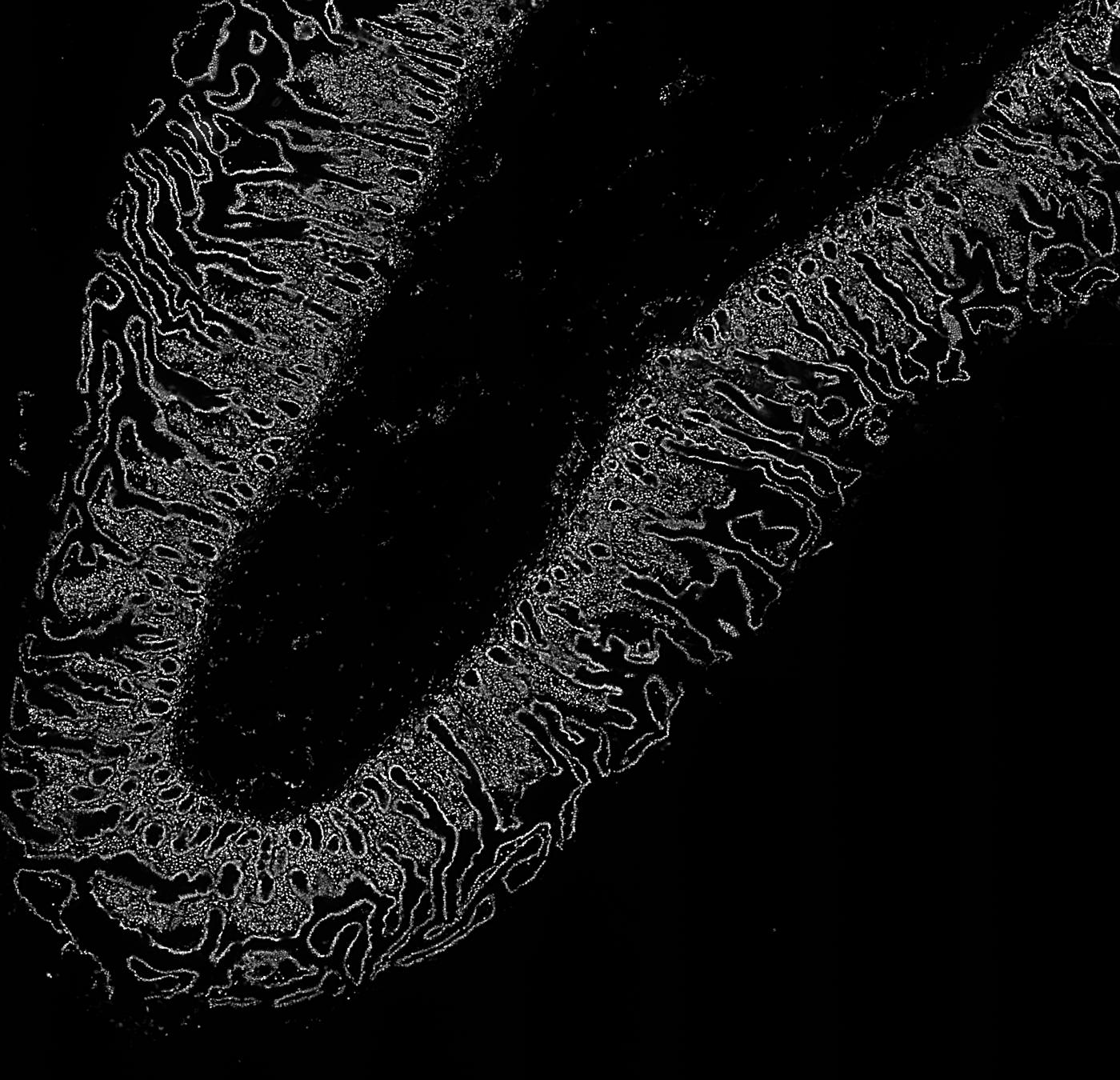
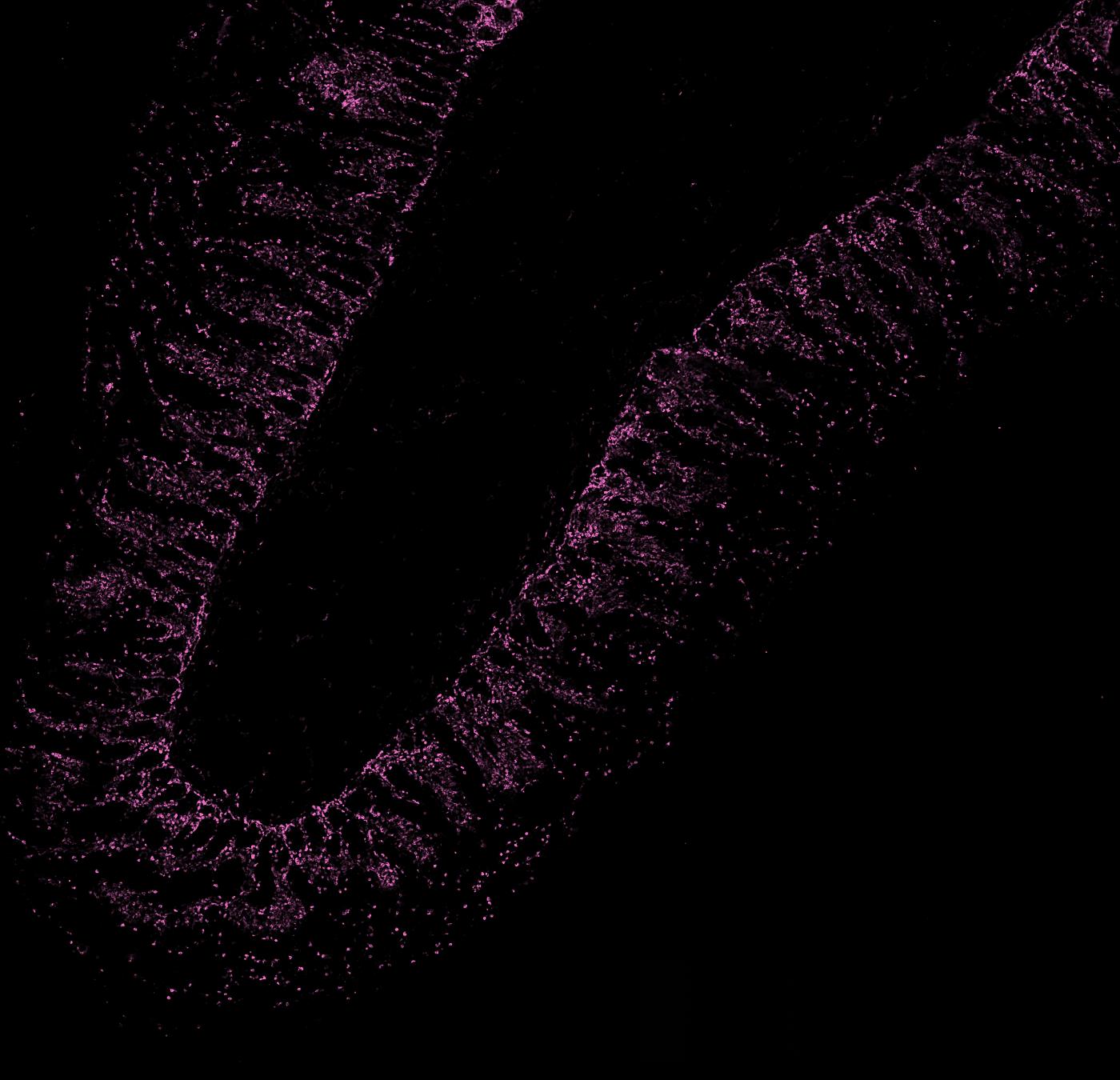

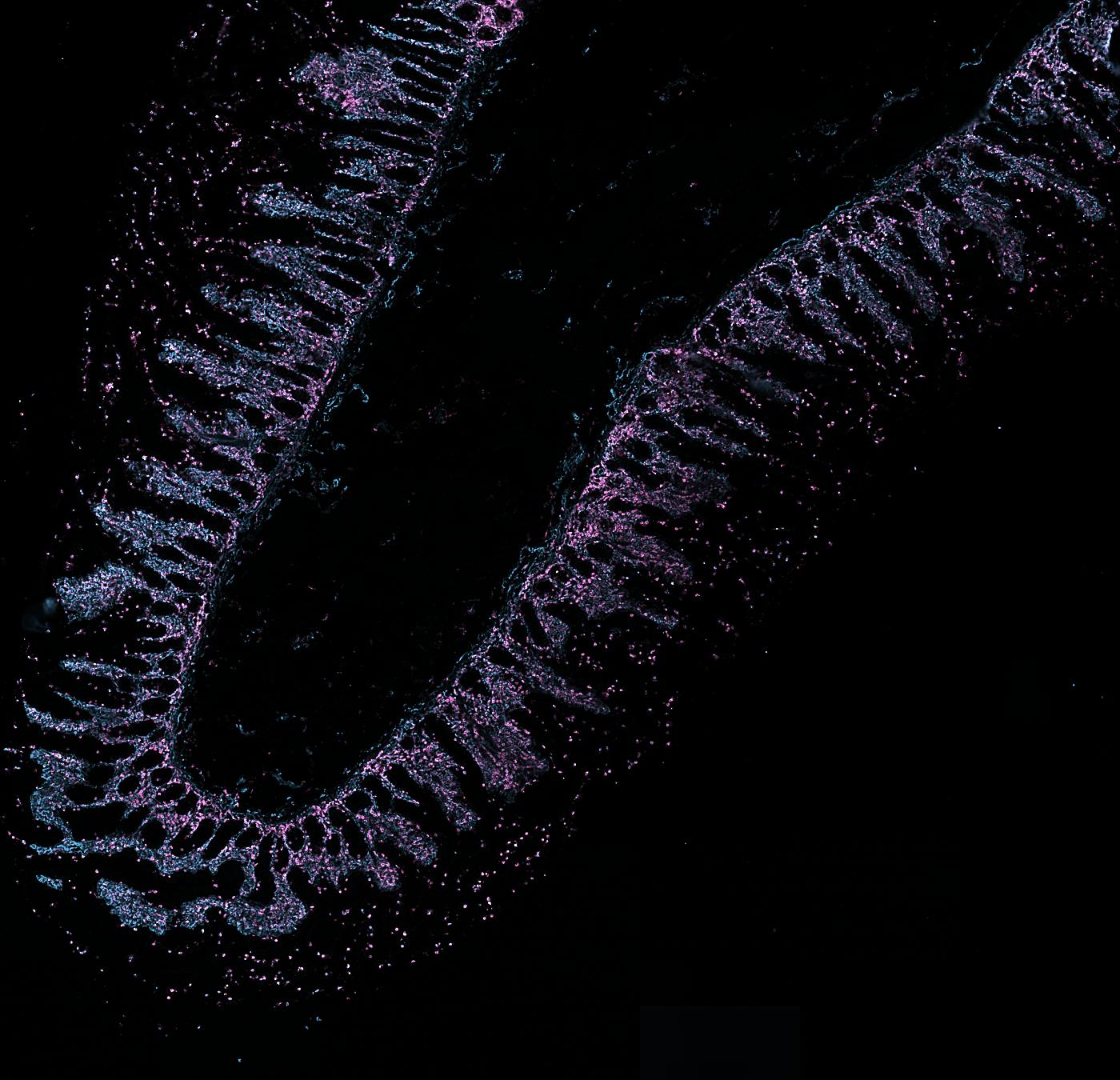
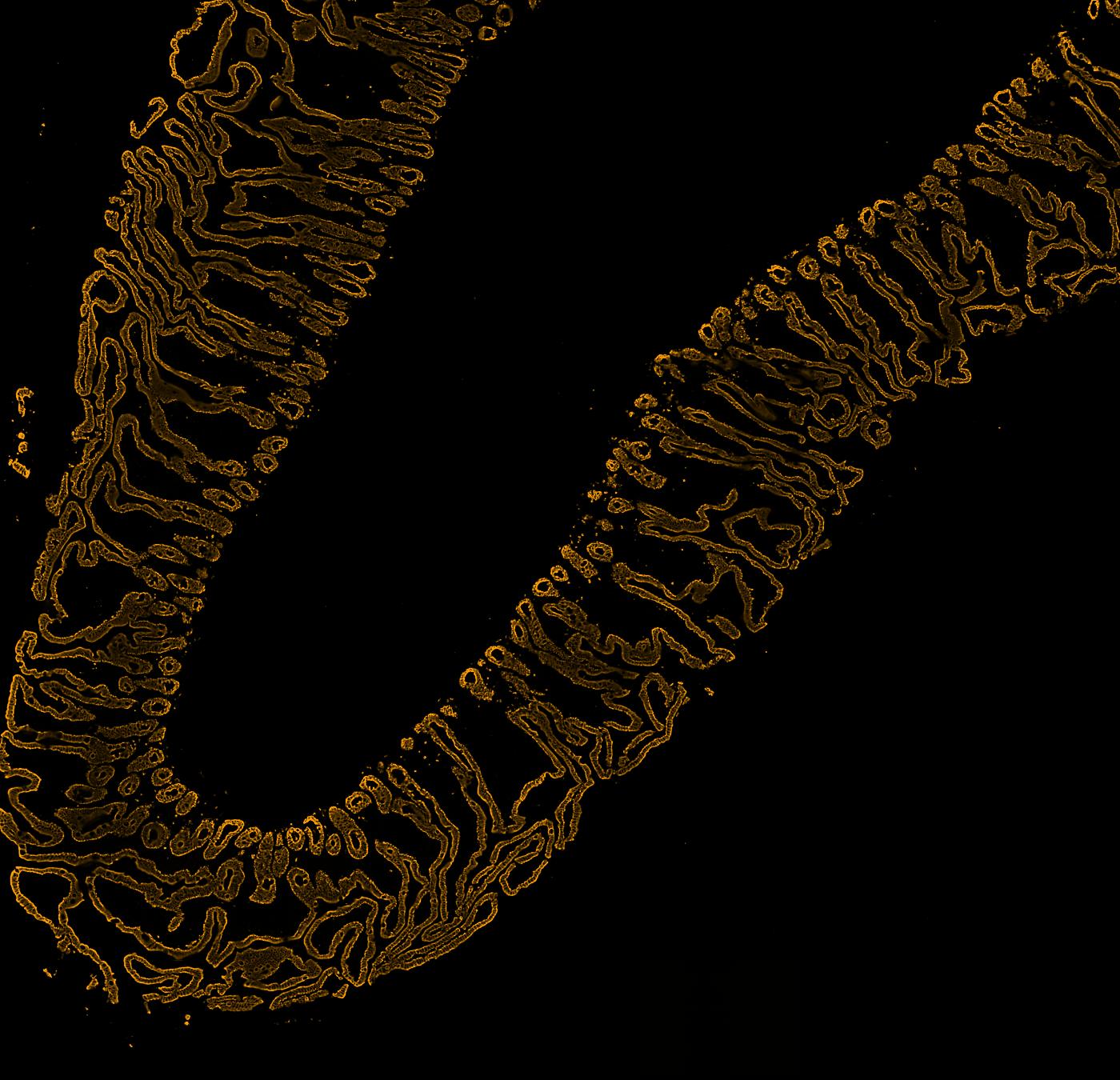
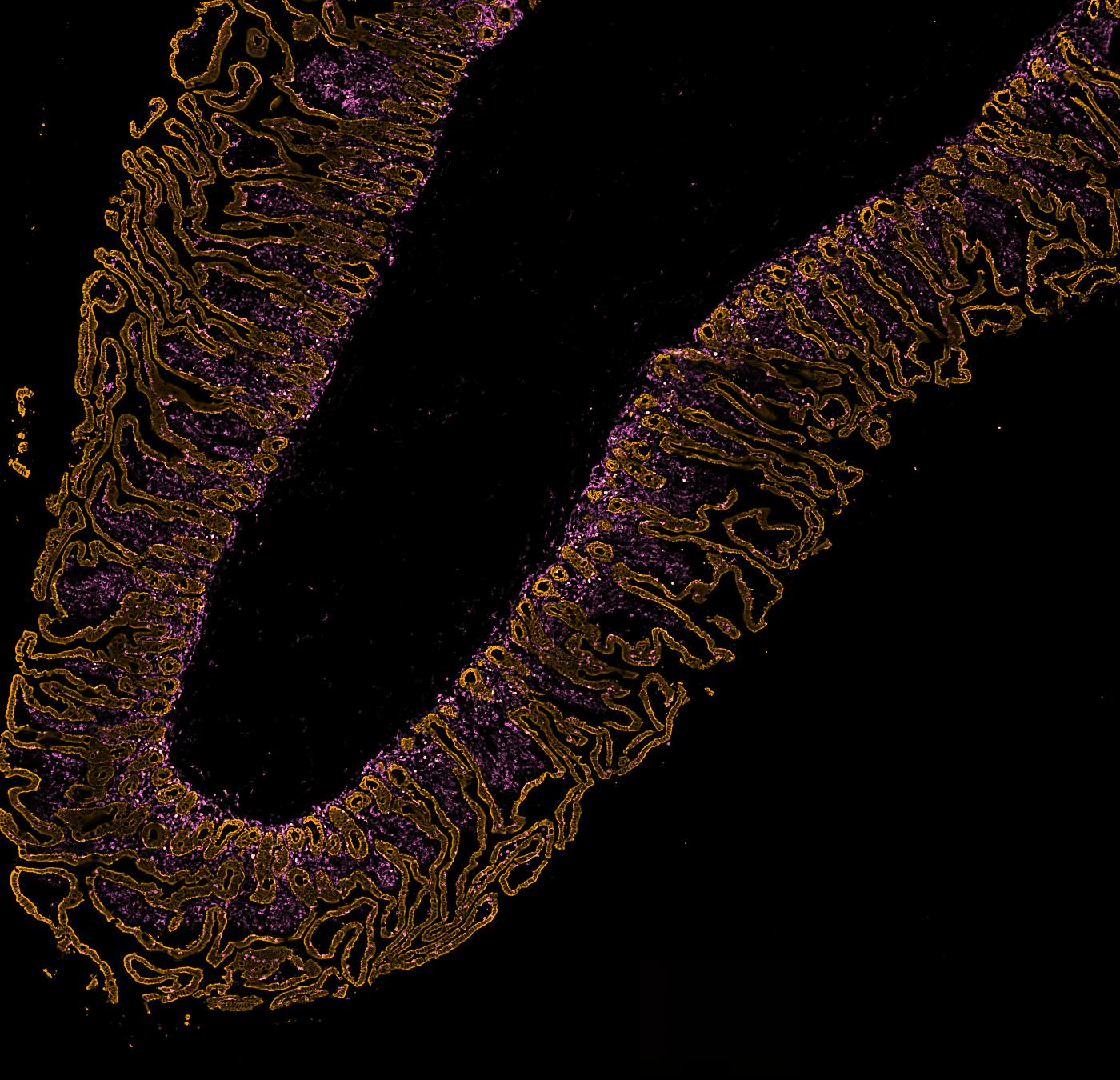
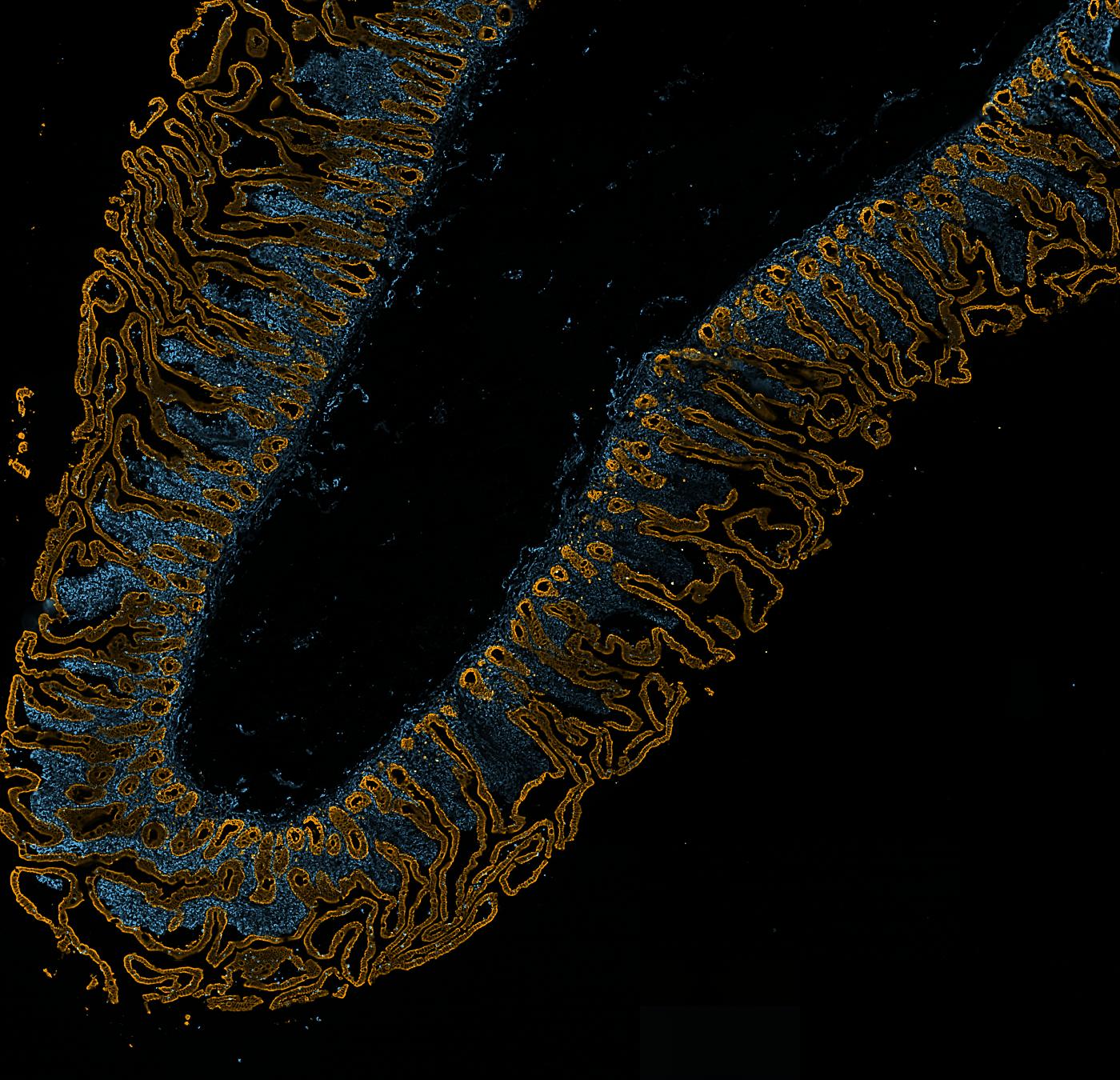
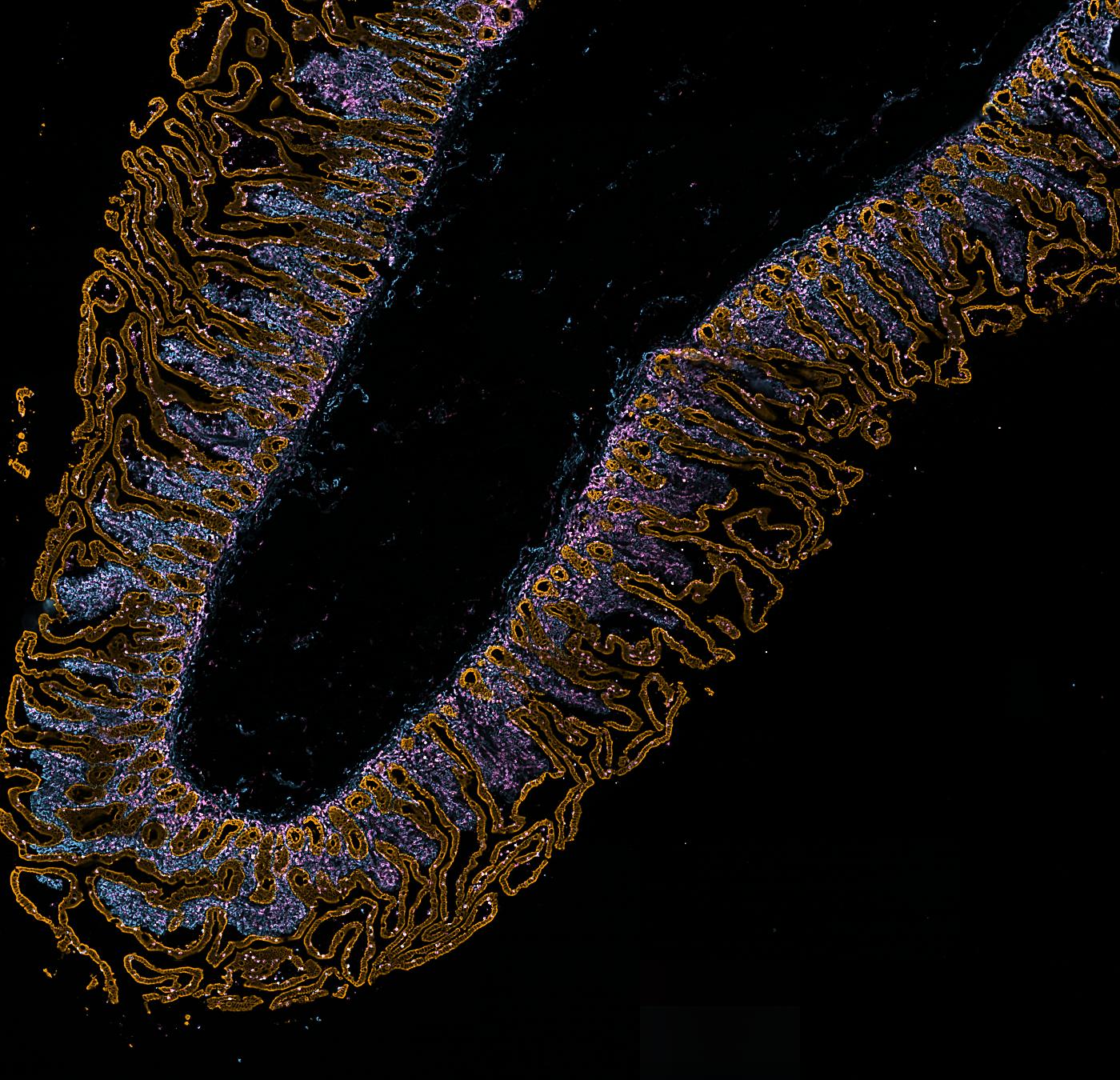
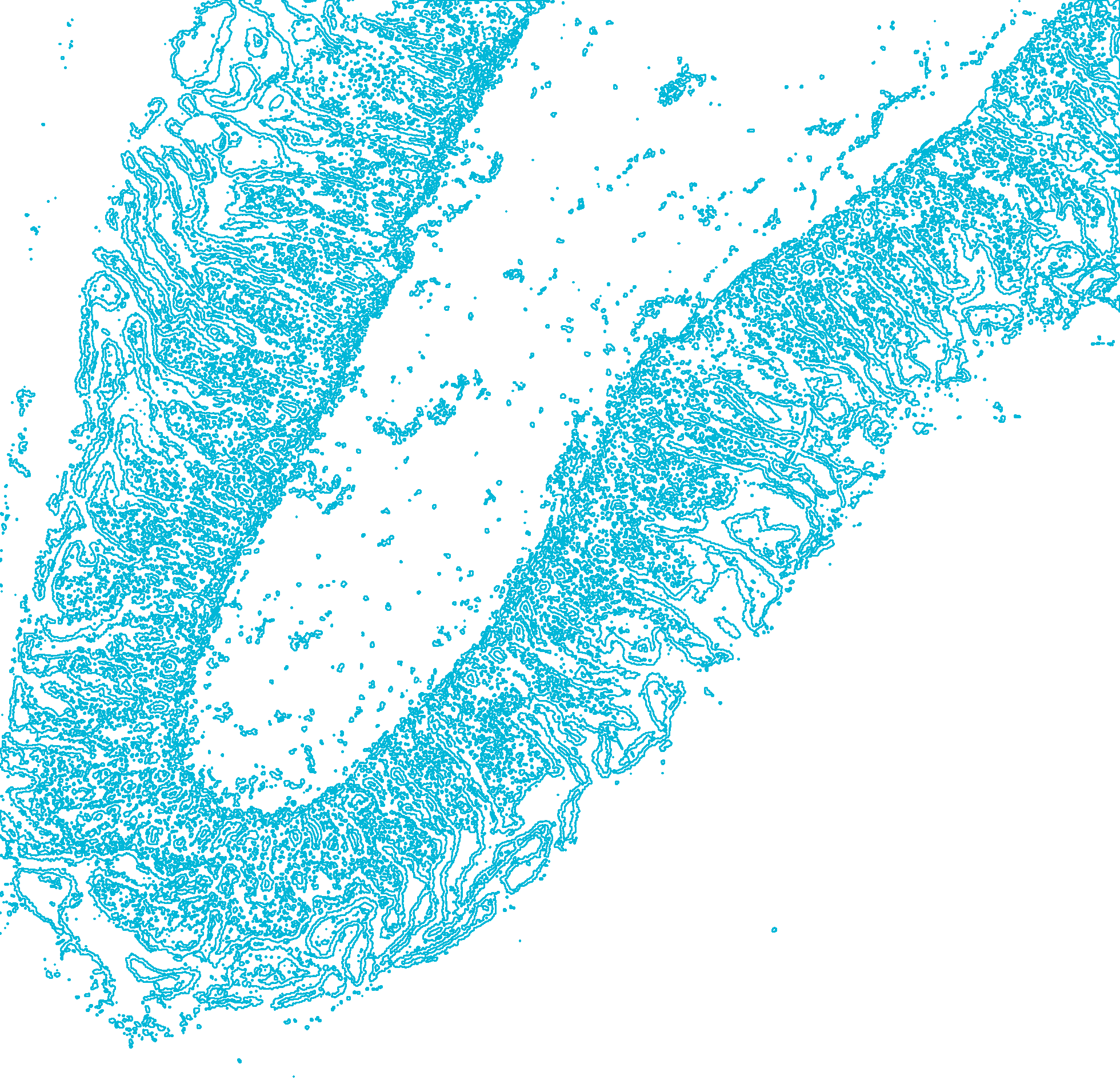
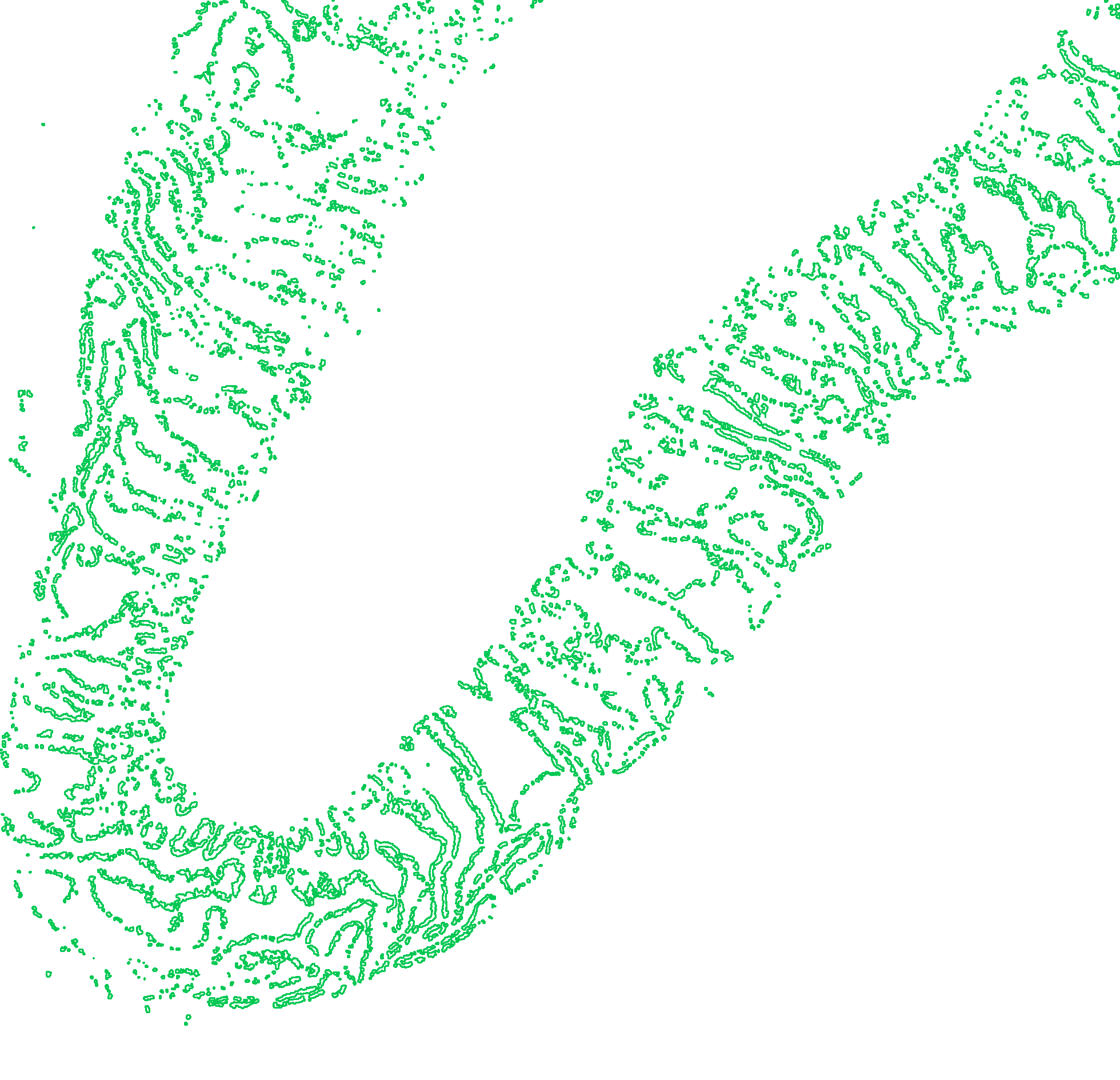
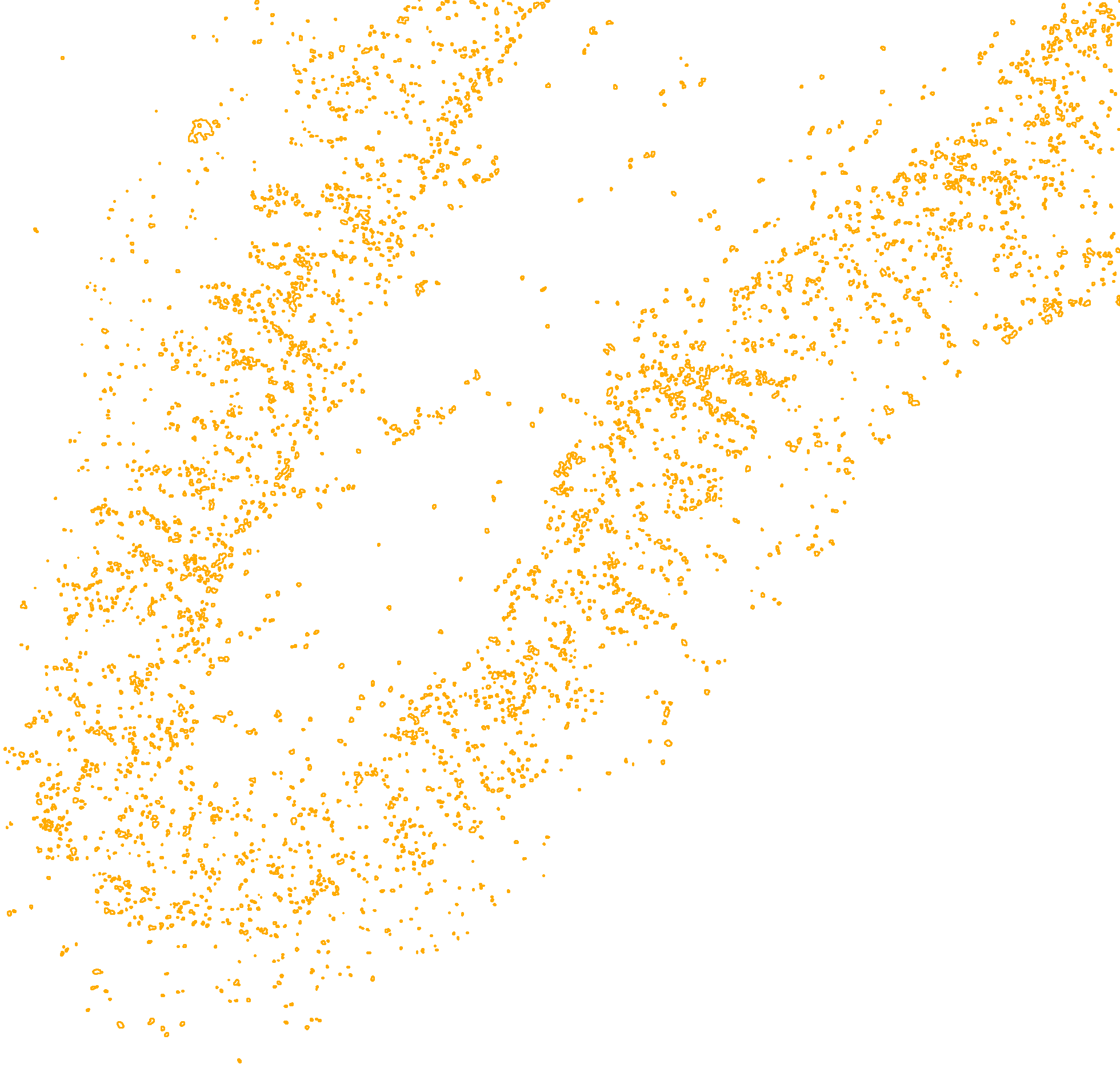
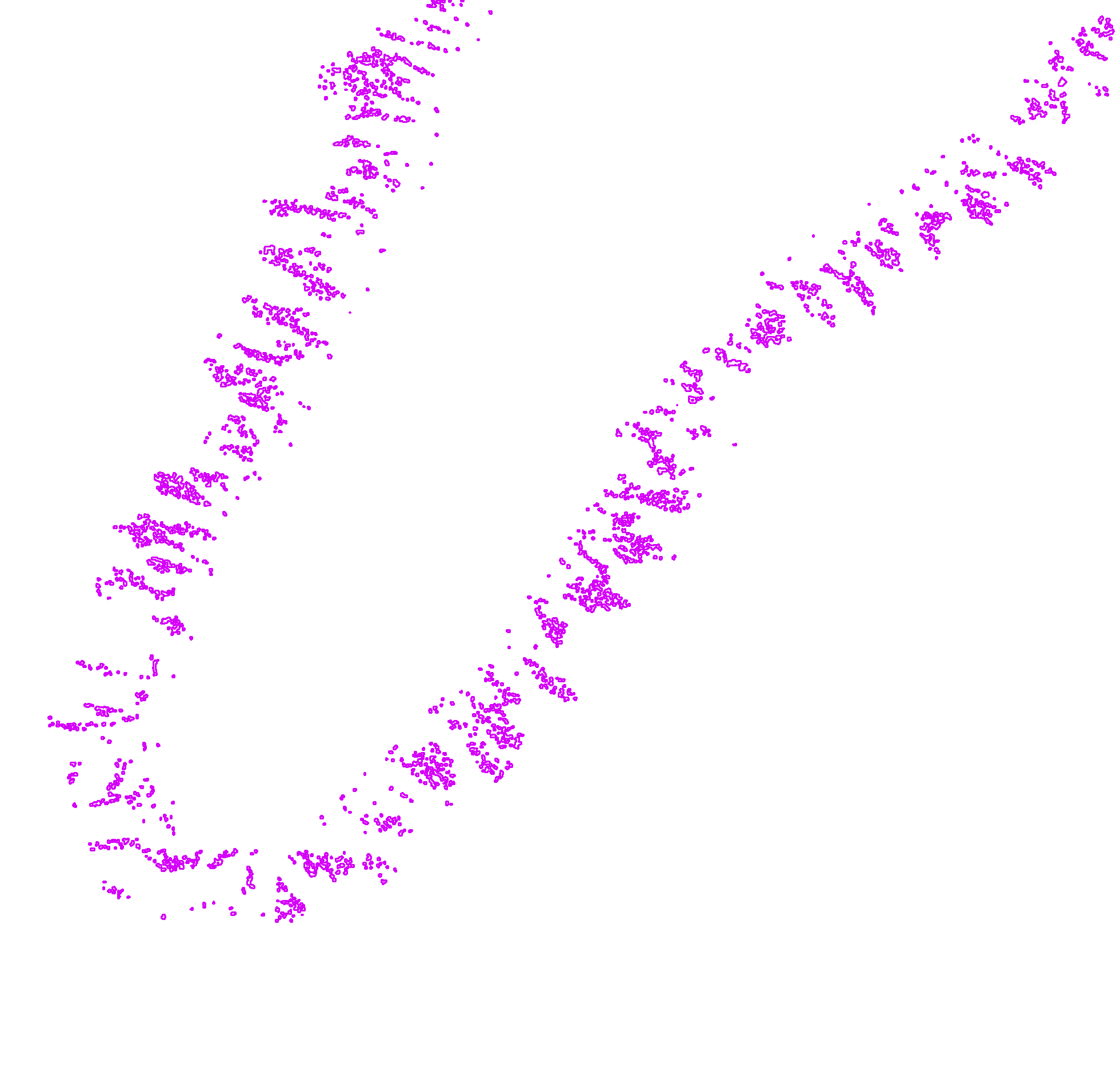
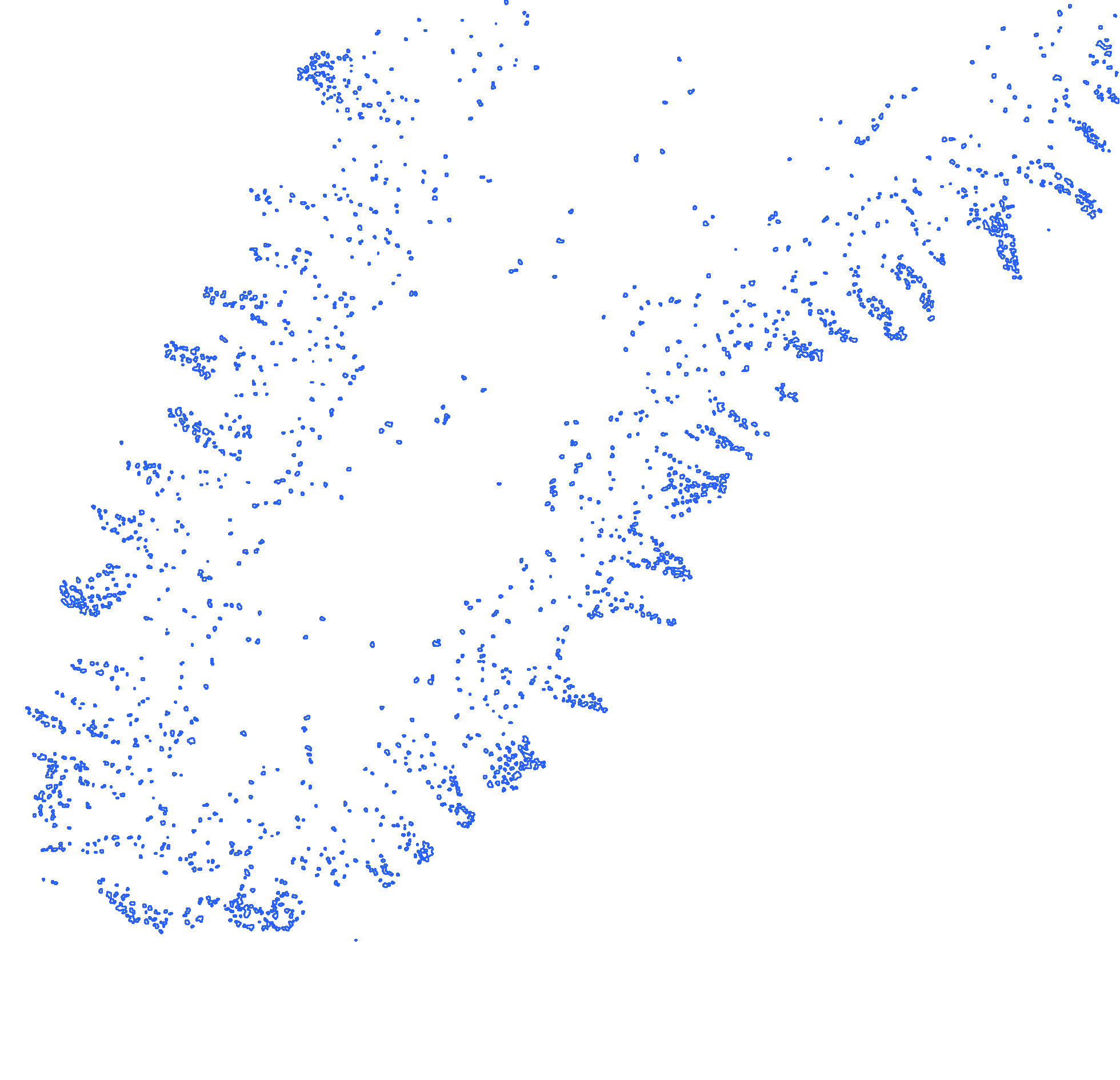
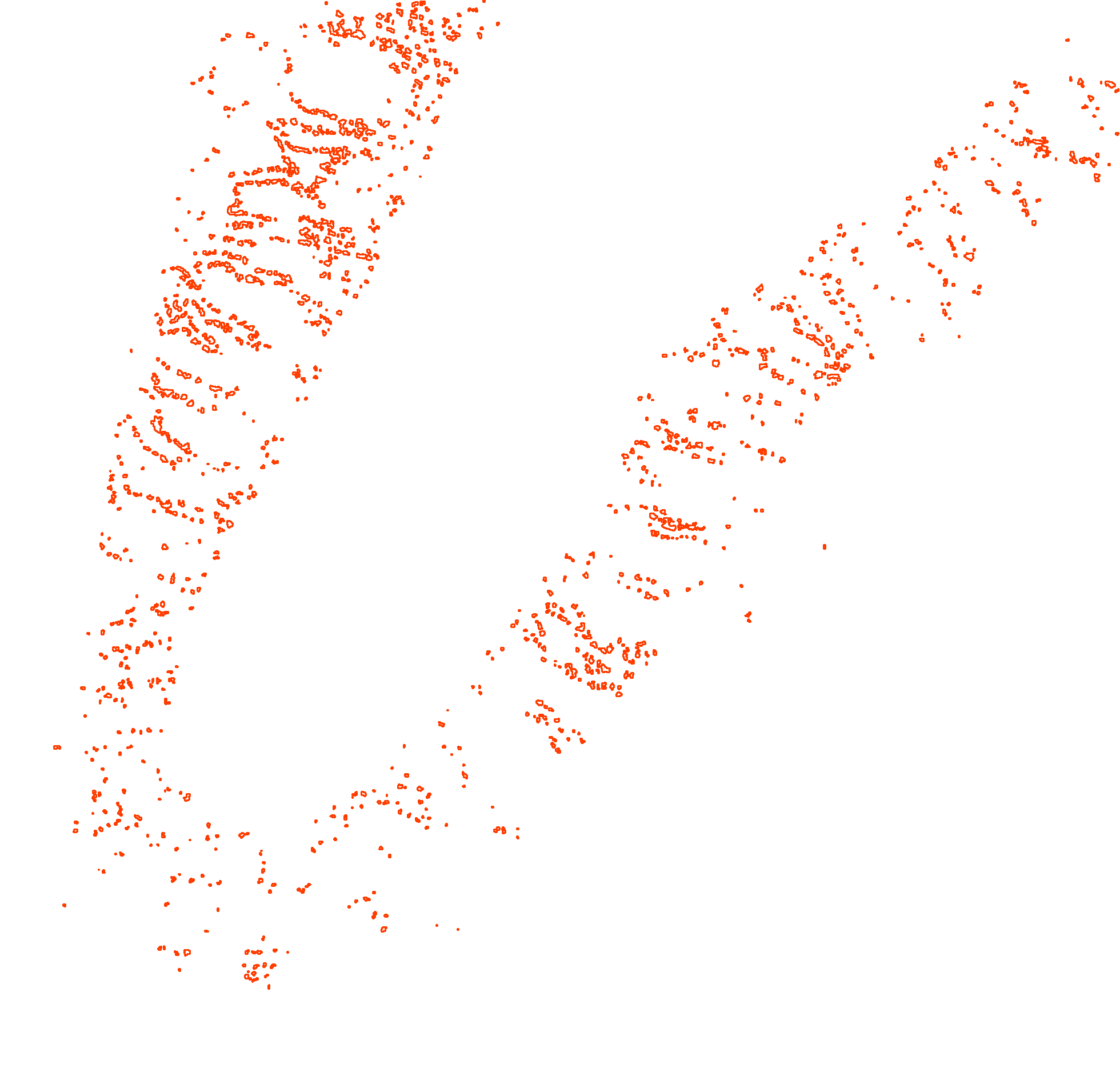
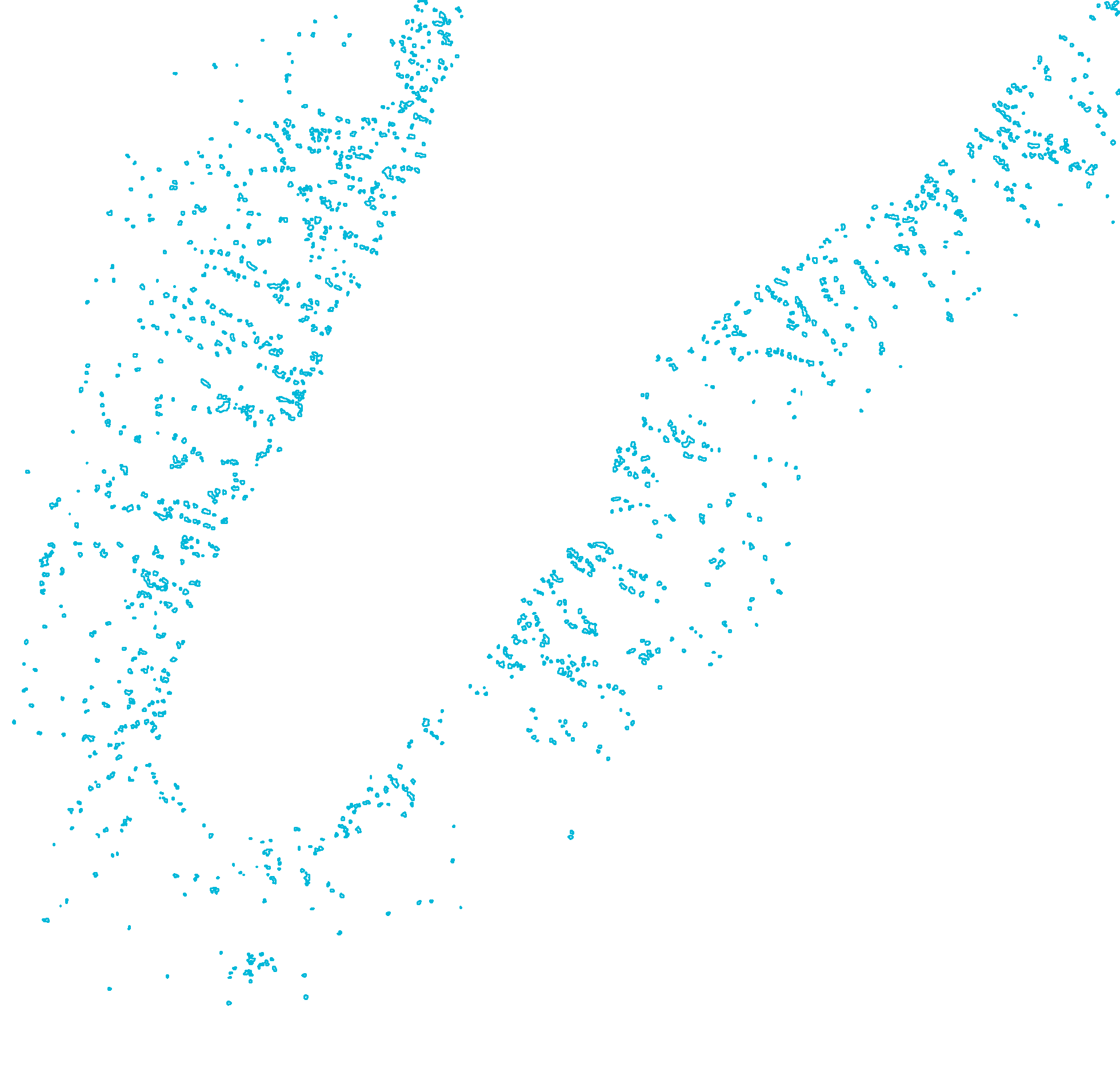
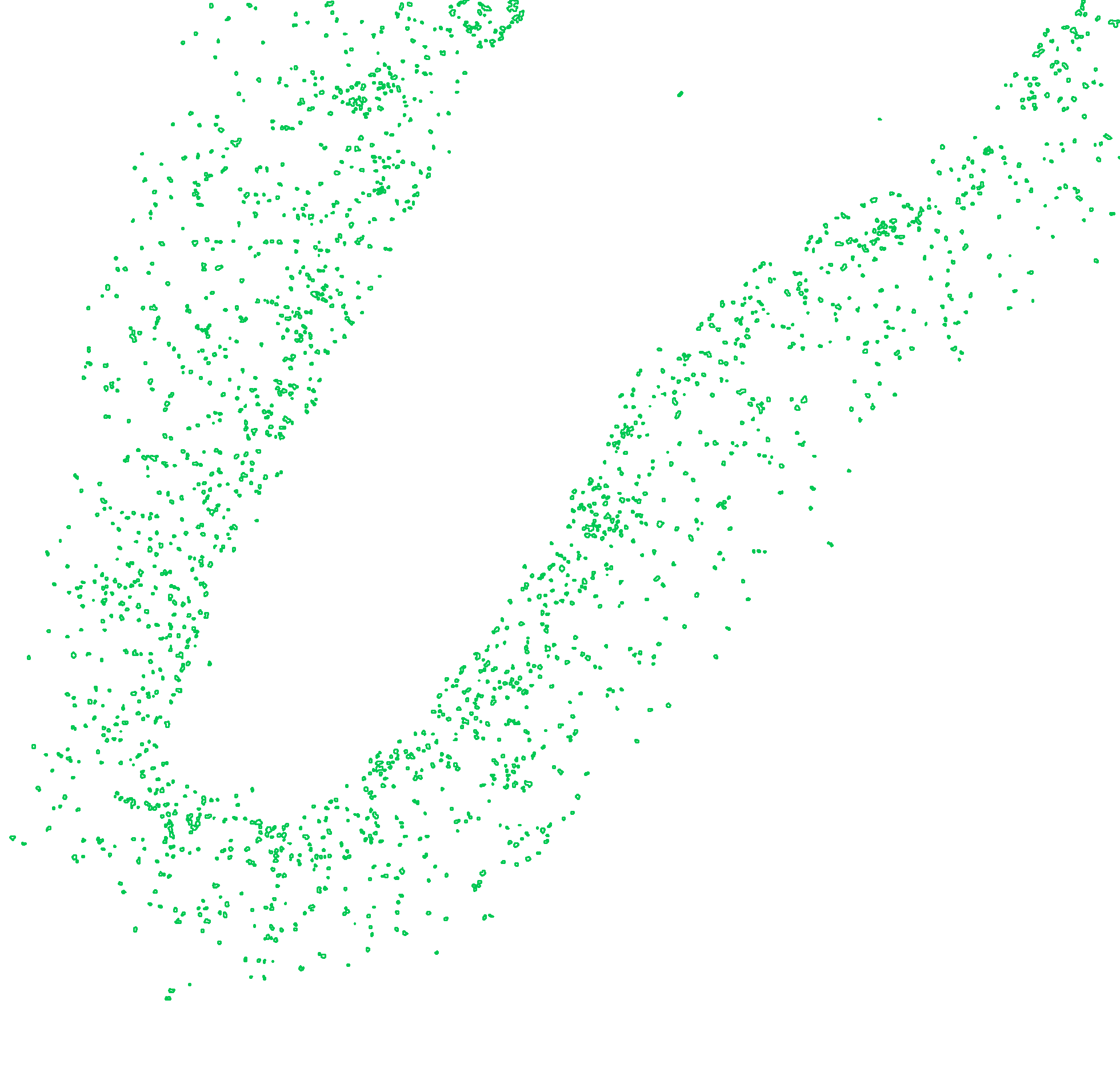

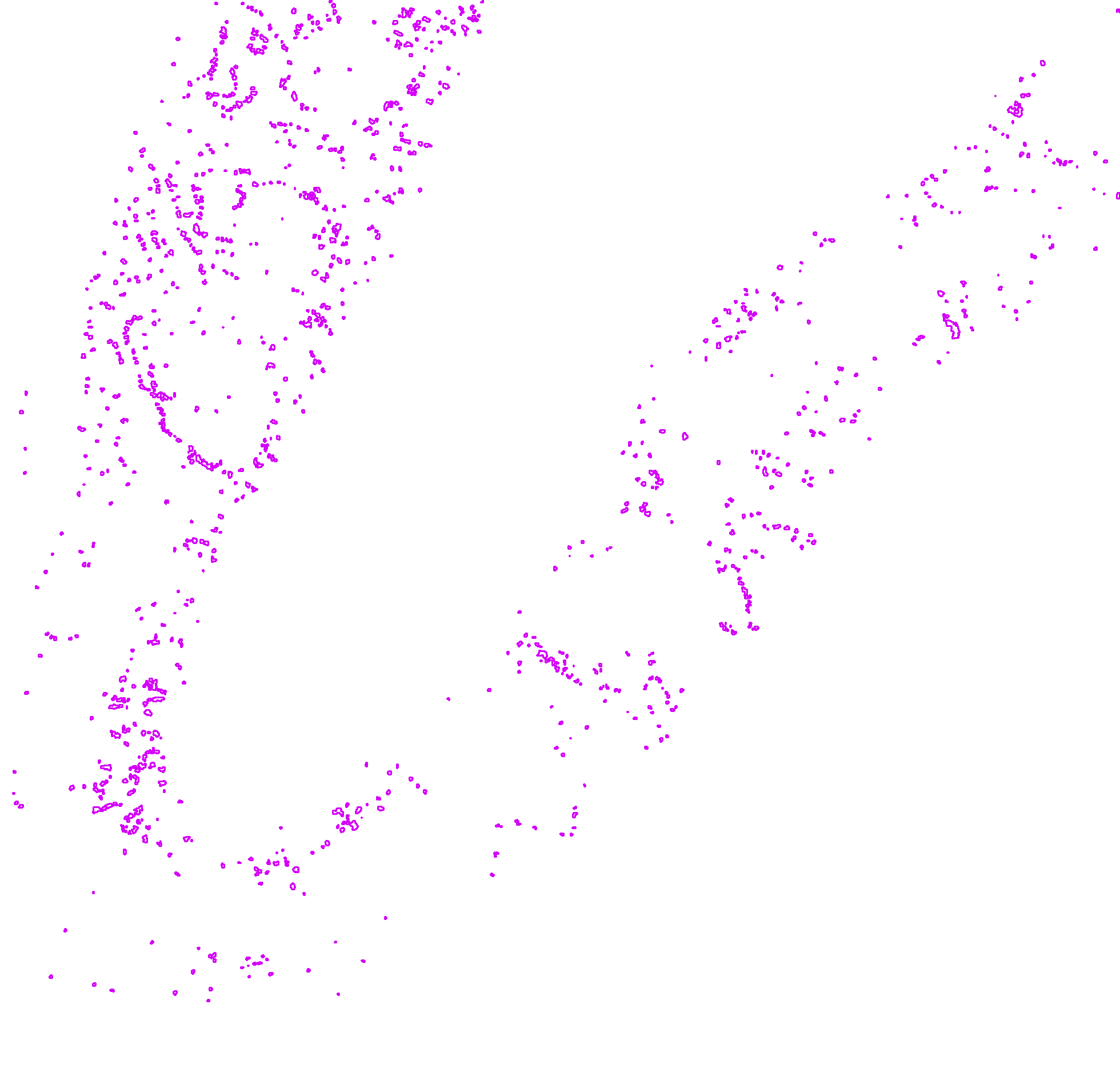
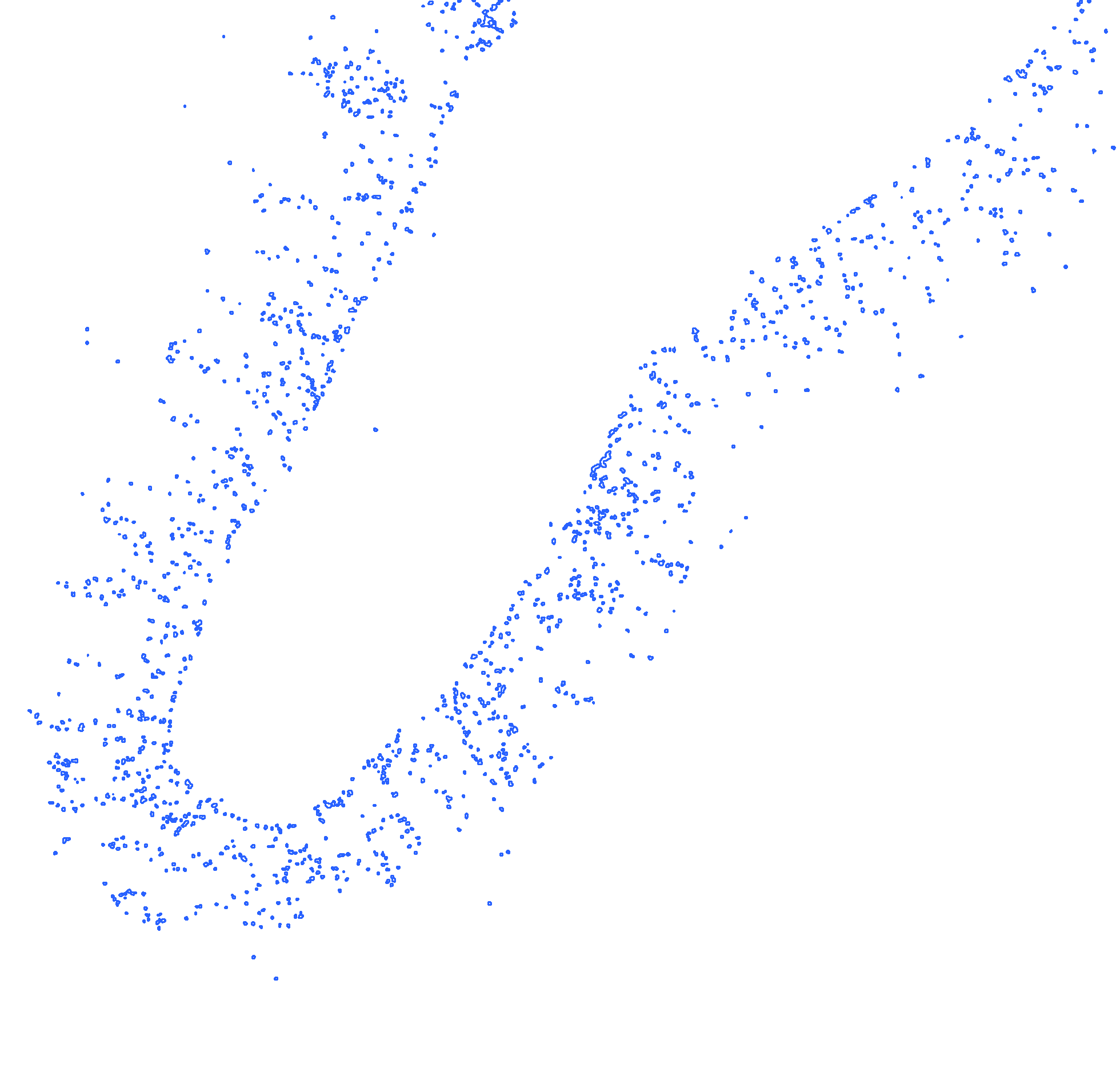
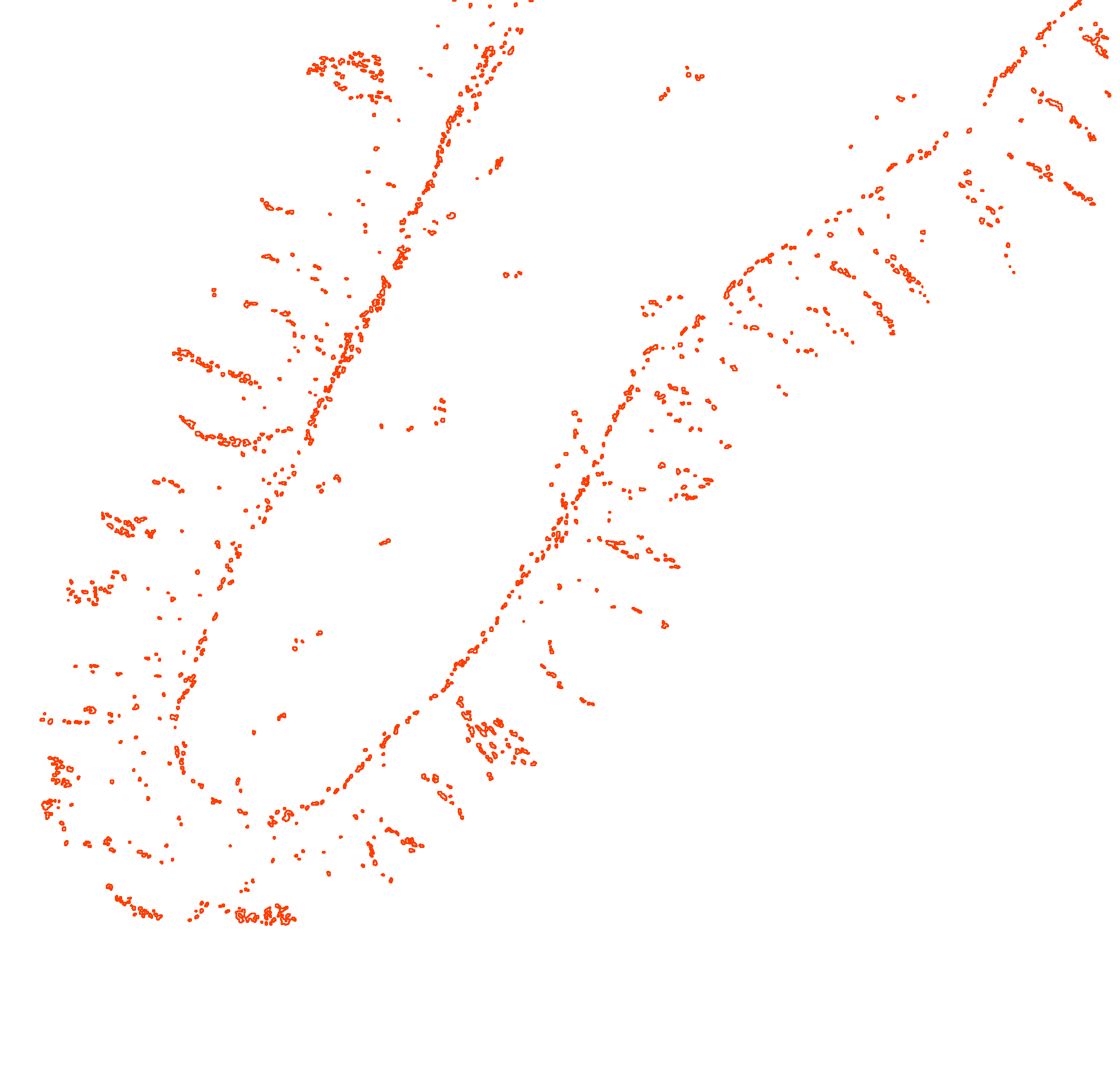

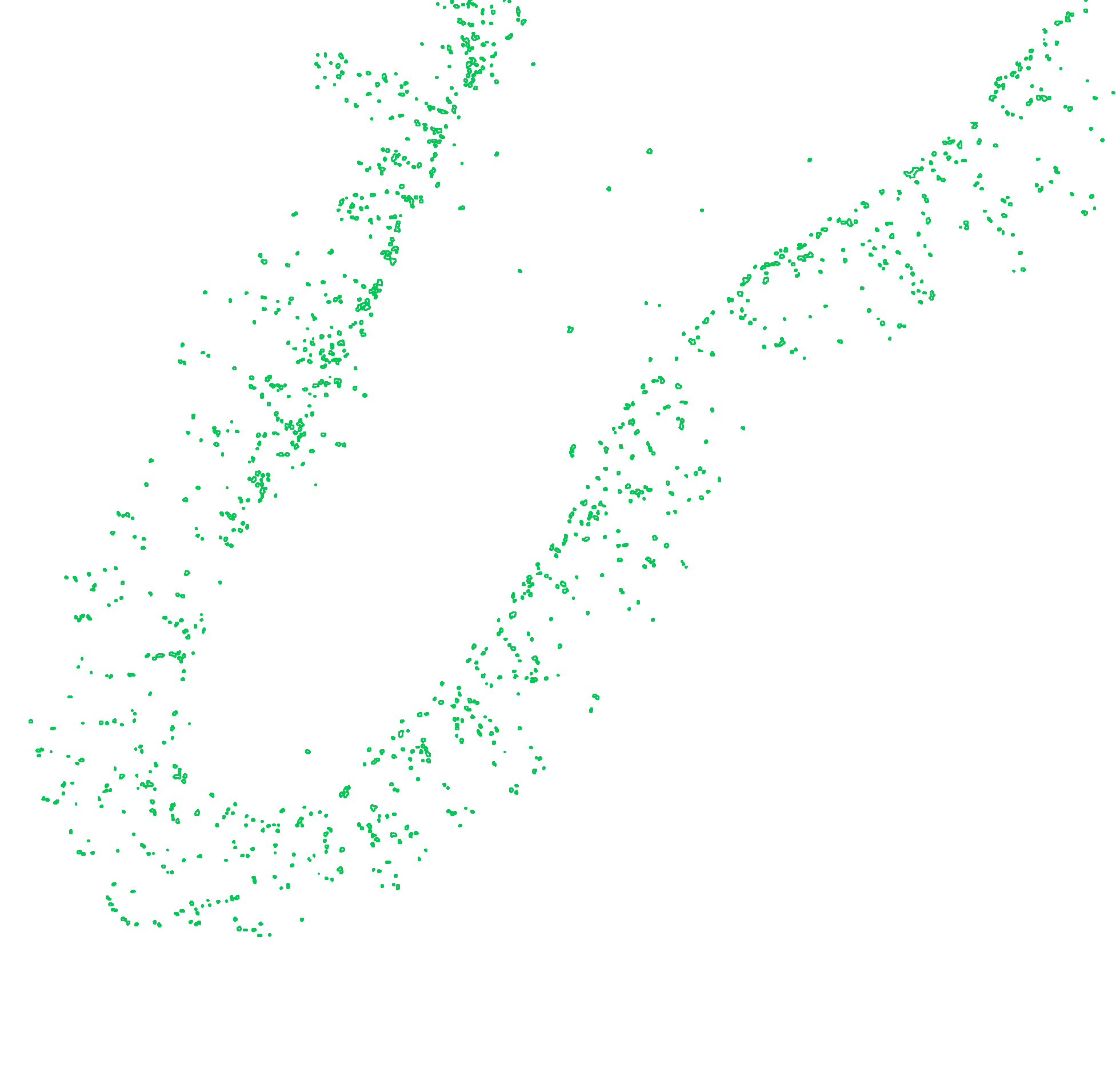

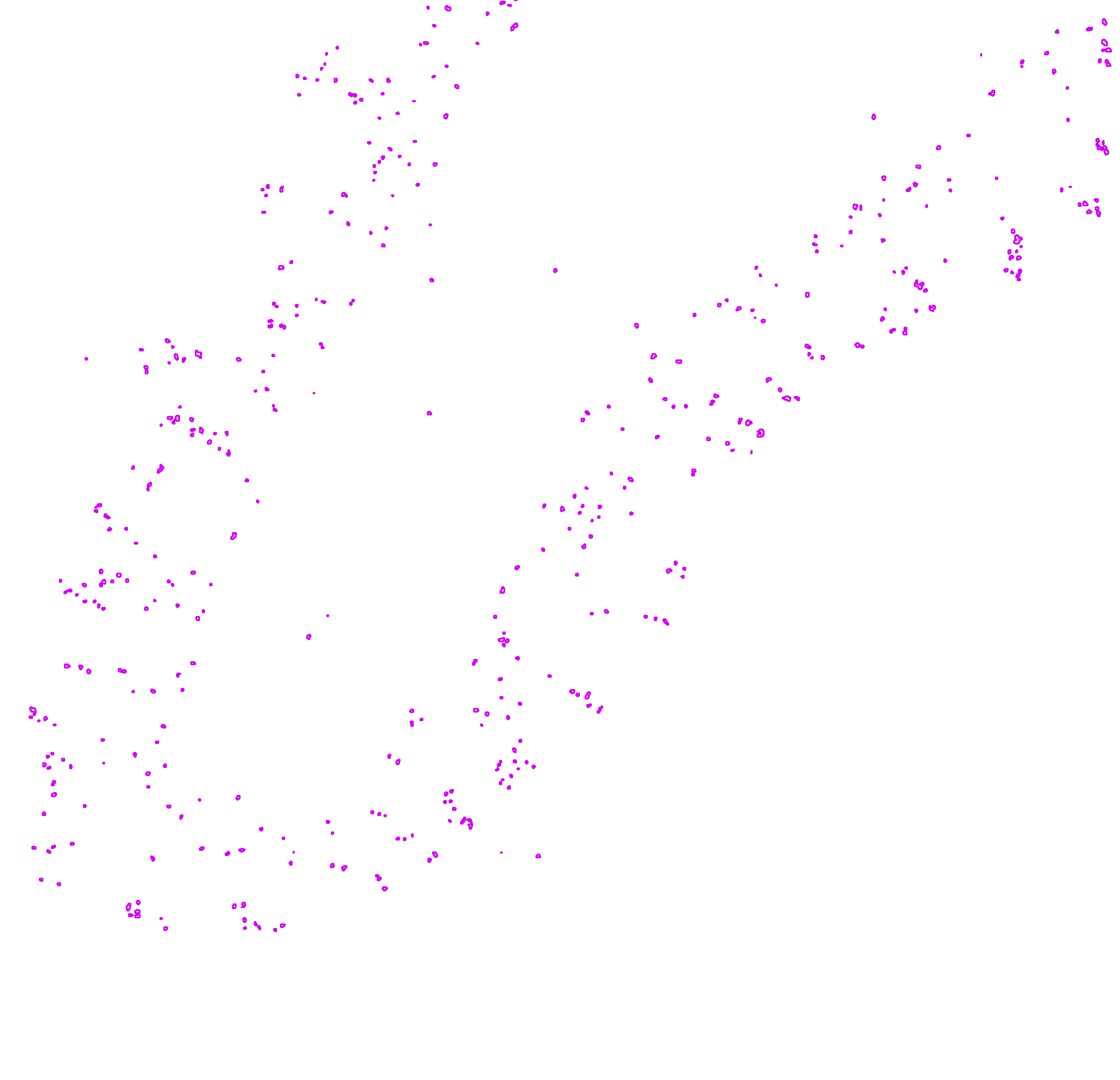
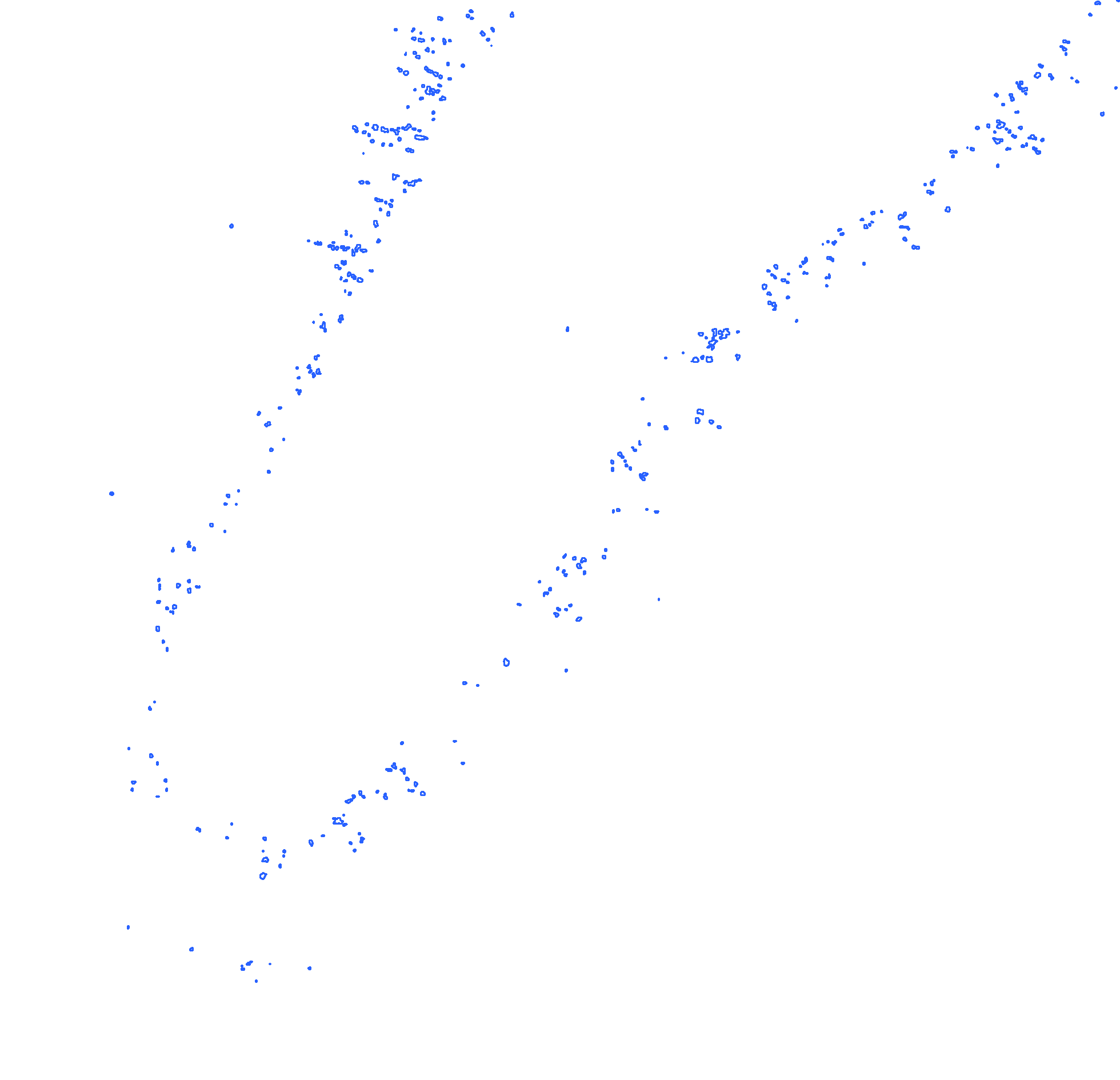
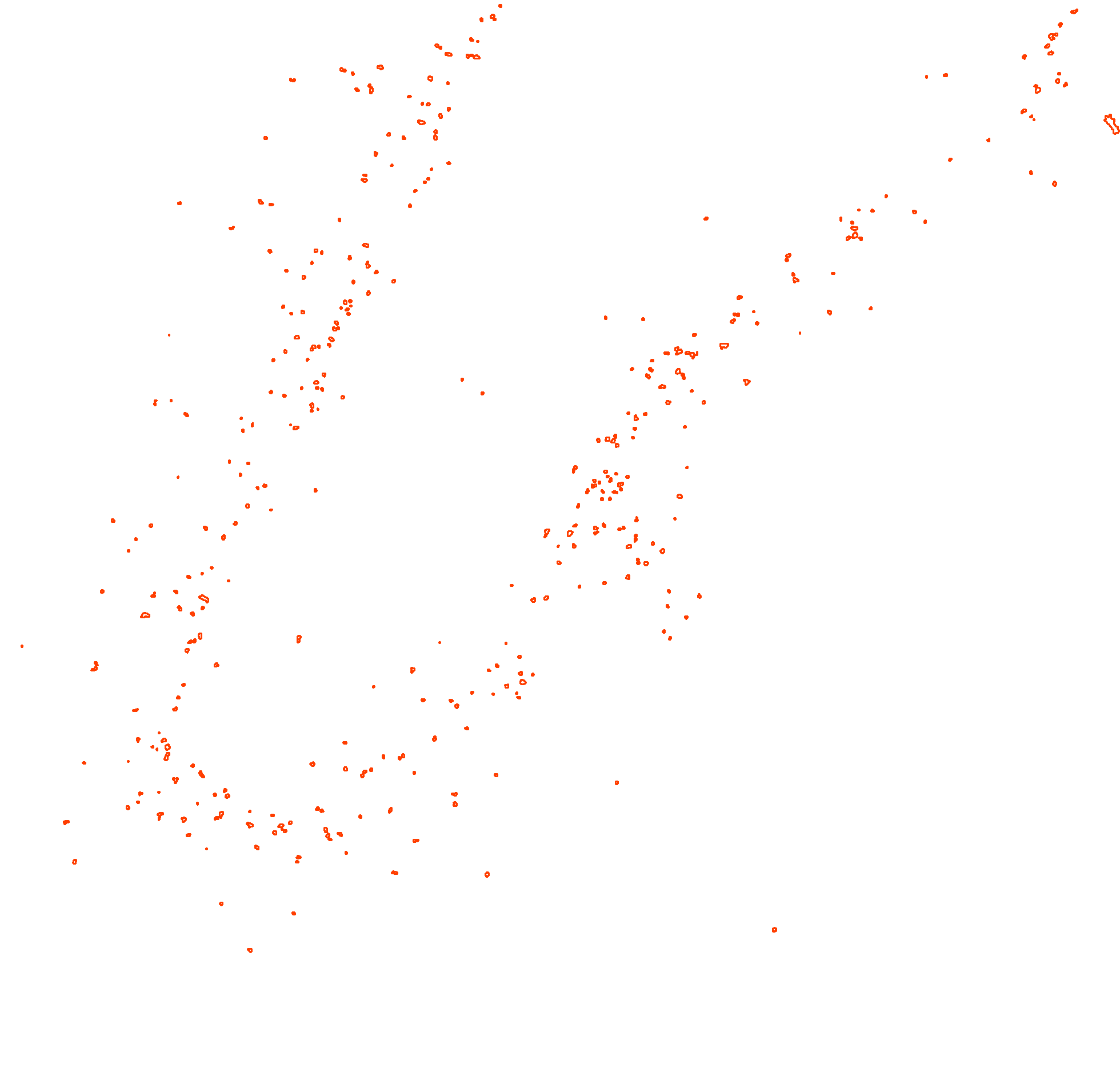

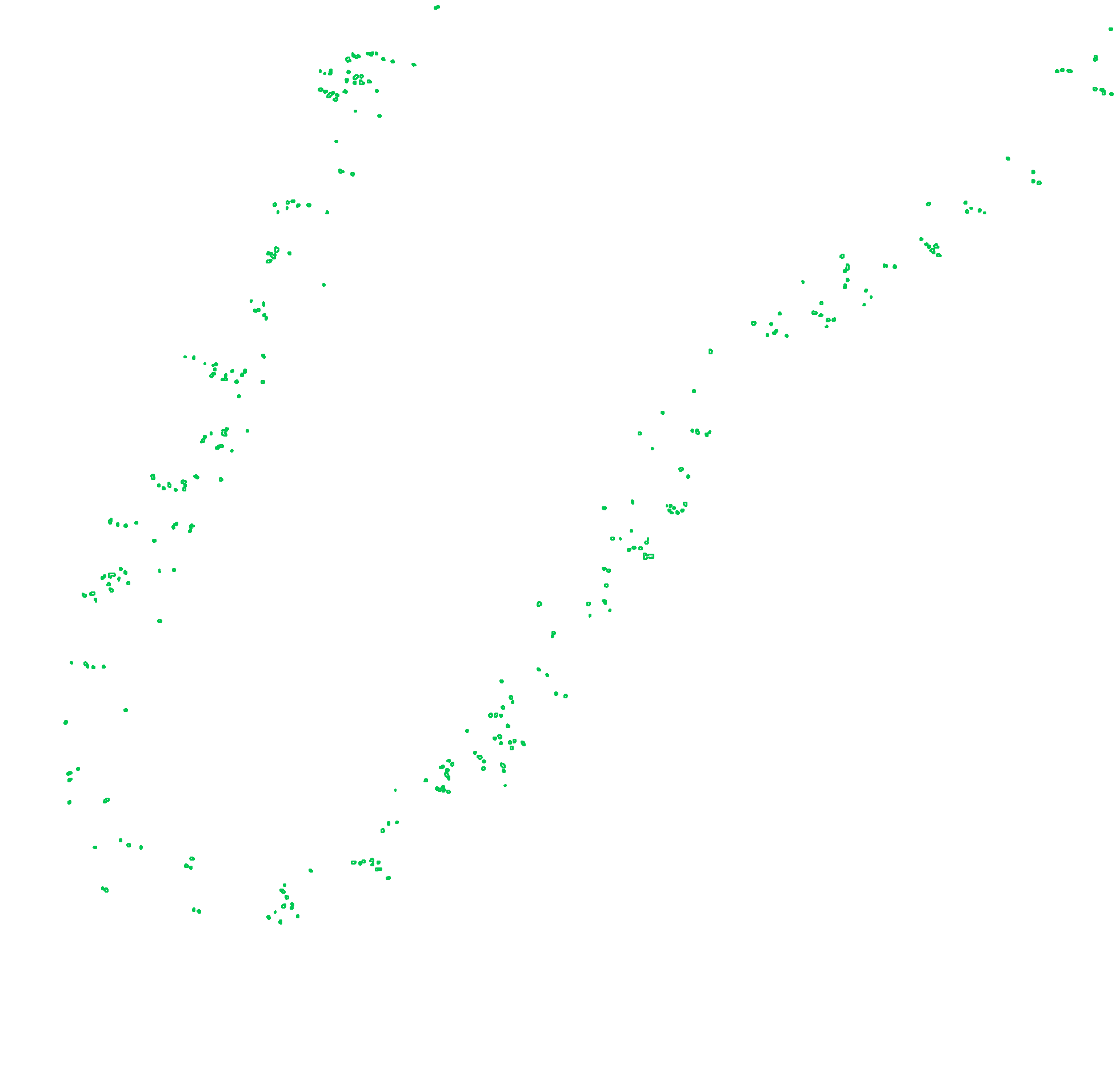



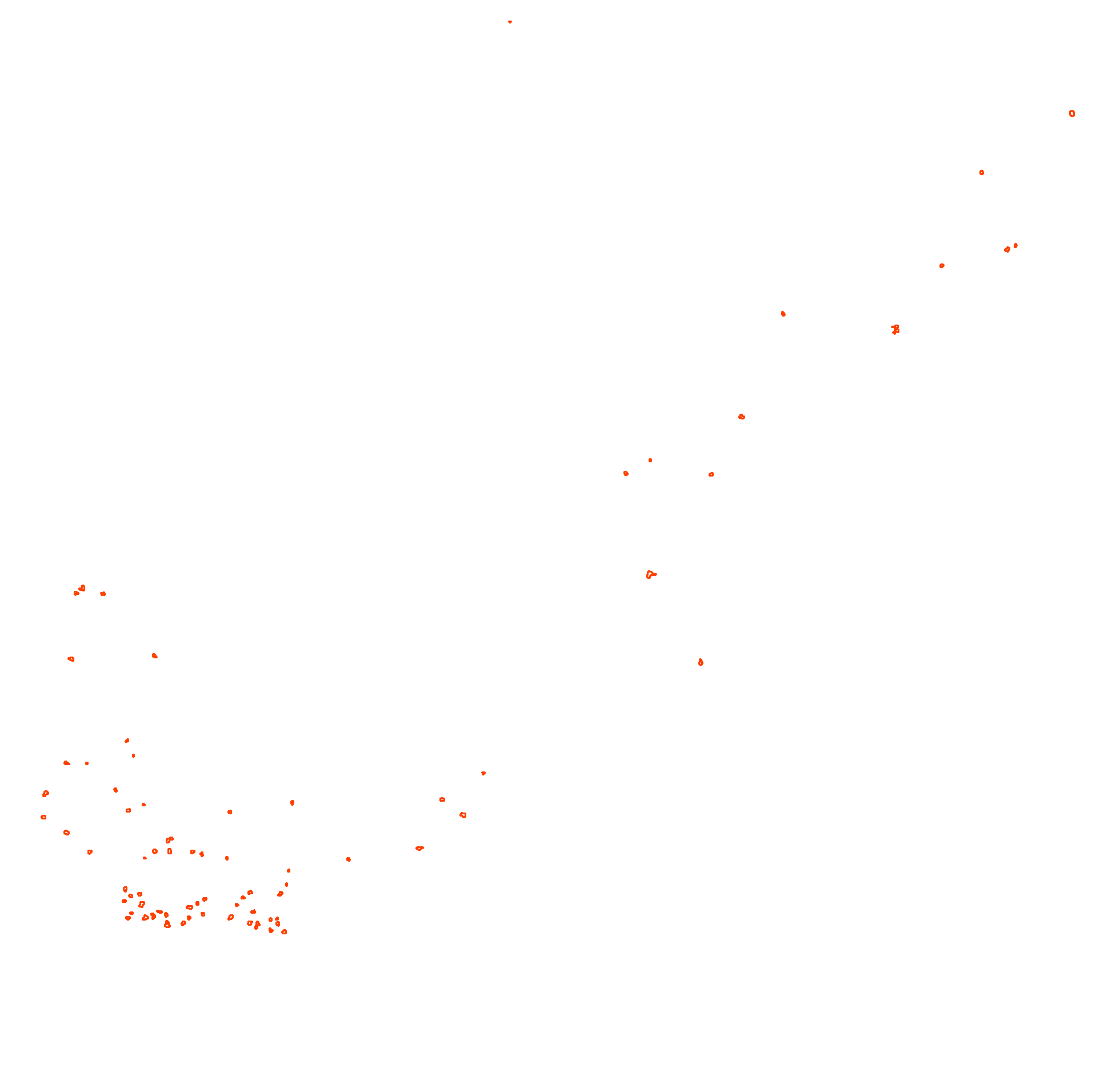

Human duodenum, donor B004, CODEX with 58 markers. Slide: Hickey et al., Nature 2023, CC0.
What you can ask for
Ask for these, or anything else you can see.
In plain words. If it can be seen on the sample, the AI can build a method to measure it.
- Every cell found and named from your list of types
- Positive area for each marker
- Counts and percents of each cell type
- Cell types inside one region, such as the crypts
- A table of every cell, with each marker's value
How it works
You upload, and we run the study.
01
Upload your slides or flow files
Any stain or panel. One sample is enough to start.
02
Say what to measure
In plain words, the way you would ask a colleague.
03
We run the study
The AI builds the method on one sample. A person checks it and locks it, and code measures every sample with it.
04
Get the report
Numbers, outlines, gates and flags for every sample. You pay for each slide or flow file.
Why VSQRD
- Every reported number measured by code, never by eye
- First-hand research and wet-lab perspective
- Direct founder involvement from discovery to rollout
Start with one study you have already reported.
Upload its samples and tell us what you measured. We run it and show you where our numbers and yours differ.
Book a Discovery Session